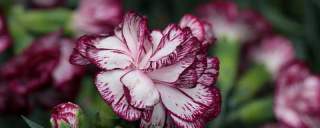
Carnations (Dianthus spp.) can be susceptible to pests like aphids and spider mites, as well as fungal diseases that thrive in poor air circulation. Selecting companion plants that act as natural repellents or attract beneficial insects is a key strategy from a plant's perspective. Lavender is an excellent neighbor for this reason. Its strong, aromatic scent is unappealing to many common pests, creating a protective barrier around the more vulnerable carnations. Furthermore, both plants share a love for full sun and well-draining, slightly alkaline soil, making them compatible root-zone partners. Another powerful ally is garlic. When planted nearby, garlic exudes natural antifungal and pesticidal compounds through its roots, helping to suppress soil-borne diseases that might otherwise affect the carnations.
The physical structure of companion plants can provide significant benefits. Carnations often have relatively slender stems that can sometimes struggle under the weight of their blooms, especially taller varieties. Low-growing, mat-forming plants like creeping thyme or sedum serve as a living mulch. They spread across the soil surface, shading the roots of the carnations, helping to retain moisture, and suppressing weed growth that would compete for nutrients. From the carnation's perspective, this creates a cooler, more stable root environment. The dense foliage of these groundcovers also helps prevent soil from splashing onto the carnation's lower leaves during rain or watering, which can reduce the spread of fungal spores.
A successful plant partnership requires compatibility below the soil surface. Carnations have a relatively shallow root system and are sensitive to overly wet conditions, requiring excellent drainage. It is crucial to avoid pairing them with plants that have aggressive, deep, or water-hungry root systems that would outcompete them. Good companions are those with similarly modest root demands. Salvia, for instance, develops a root system that is non-invasive and shares the carnation's preference for drier soil conditions between waterings. This allows both plants to access water and nutrients without one suffocating or starving the other, leading to a peaceful and mutually beneficial coexistence in the garden bed.
While survival is paramount, the visual and ecological relationship between plants is also important. Choosing companions that flower at complementary times extends the visual interest of the garden bed. For example, planting spring-blooming bulbs like tulips or daffodils alongside carnations ensures a display of color before the carnations hit their peak flowering in early summer. From an ecological standpoint, incorporating plants like yarrow or coreopsis attracts a different set of pollinators, such as hoverflies and predatory wasps, which help control pest populations. The contrasting foliage textures and forms also create a more dynamic and visually appealing planting scheme. The spiky blooms of salvia rising above the mounded form of carnations, for instance, create a pleasing layered effect that maximizes the use of vertical space.