From my perspective as a carnation plant, pruning is not an attack but a form of communication. My natural instinct is to grow upwards and produce a single flower at the tip of each stem to set seed and ensure my legacy. However, this can make me look tall, leggy, and sparse. When you prune me, you are interrupting this single-minded mission. The act of cutting signals to my hormonal system that the apical (top) bud, which was suppressing the growth of the buds below it, has been removed. This is called apical dominance. With that dominant bud gone, the energy I draw from the sun and soil is redirected to the lower, lateral buds. This encourages them to awaken and grow, resulting in the bushier, more compact form that you desire. Essentially, you are convincing me to branch out horizontally instead of focusing solely on vertical growth.
Timing is crucial for my well-being. I have two primary growth phases, and pruning during these times aligns with my natural rhythm. The first and most significant pruning happens in early spring, just as you see new, green shoots emerging from my base. This is a time of immense energy and growth for me. A hard prune now sets my structure for the entire season. For perpetual-flowering or annual varieties, a second key time is after the first major flush of blooms has faded, usually in mid-summer. After I have flowered, I enter a brief resting period. Deadheading (removing spent flowers) and a light pruning at this stage prevent me from expending energy on seed production and instead spur me to produce a new set of branches and a second wave of blooms.
The method of your cut is our direct dialogue. Please use sharp, clean shears to make precise cuts that heal quickly, reducing my risk of infection. The goal is not just to shorten me, but to encourage branching at the right points. Here is how to speak my language:
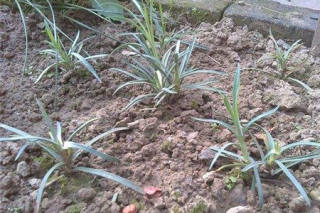
Pinching: For young plants, the gentlest form of pruning is pinching. When my new shoots are about 4 to 6 inches tall and have developed 4 to 5 pairs of leaves, use your thumb and forefinger to pinch off the top set of leaves. This directly removes the apical bud and immediately signals the lower buds to grow.
Cutting Back: For more established plants or for rejuvenation in spring, make your cuts just above a set of healthy, leafy nodes. Look for a point where a pair of leaves joins the stem. Make a clean, angled cut about a quarter of an inch above that node. The two buds nestled at the base of those leaves will now become the new leaders, each growing into a new stem. For a hard spring prune, you can reduce my height by up to one-third to one-half.
Deadheading: After each flower bloom fades, follow the flower stem down to the first set of full, green leaves and make your cut there. This removes the developing seed pod and encourages that stem to branch and re-bloom.
Pruning is a stimulating but demanding process for me. To respond effectively with lush, bushy growth, I need resources. Immediately after pruning, a gentle feeding with a balanced, water-soluble fertilizer provides the essential nutrients, particularly nitrogen, which supports vigorous leaf and stem development. Ensure my soil is consistently moist but not waterlogged, as the new buds and shoots are tender and require hydration. Finally, continue to provide me with my favorite conditions: plenty of sunlight and good air circulation around my foliage. This post-pruning care allows me to channel my energy into becoming the dense, floriferous plant you envision.