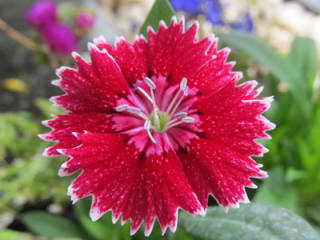
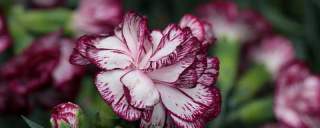
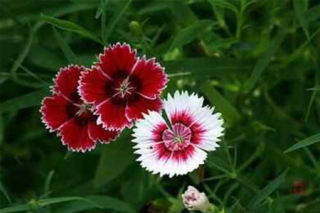
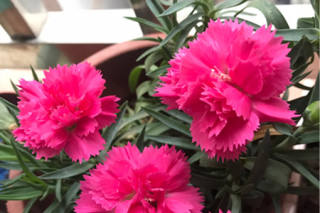
From my perspective as a carnation plant, light is my primary source of energy. It is the fuel that powers the entire process of photosynthesis, which in turn allows me to grow strong and, most importantly, create flower buds. If I am not flowering, the most likely reason is that I am not receiving sufficient light. I am a sun-loving plant. To initiate and develop blooms, I ideally need at least six hours of direct, unfiltered sunlight each day. If I am placed in a shady spot or indoors far from a bright window, my survival instinct takes over. I will focus all my energy on simply growing leaves to capture what little light I can find. Flowering is a massive energy expenditure, and I cannot afford that luxury when I am struggling just to produce basic sustenance. I will remain in a vegetative state, prioritizing leaf growth over reproduction.
Your feeding habits can significantly influence my reproductive cycle. While you may be giving me plant food with the best intentions, the type of fertilizer is crucial. If you are using a fertilizer high in nitrogen, you are essentially telling me to focus on growing lush, green foliage. Nitrogen is the key nutrient for promoting leaf and stem growth. From my point of view, if I am receiving an abundance of nitrogen, I interpret my environment as being perfect for vegetative expansion. There is no signal to switch to a reproductive phase. To encourage me to flower, I need a fertilizer that is higher in phosphorus (the middle number on the fertilizer package). Phosphorus is vital for root development and, critically, for flower bud formation. An imbalanced diet keeps me in a perpetual state of leafy growth at the expense of blooms.
My flowering mechanism is finely tuned to environmental cues beyond just light. Temperature plays a huge role. Many of my carnation varieties, especially perennial kinds, require a distinct period of cooler temperatures to initiate flowering buds. This process, called vernalization, is a natural signal that winter has passed and it is safe to bloom. If I am constantly kept in a uniformly warm environment, I may never receive this critical signal. Furthermore, how you care for my spent blooms matters. If old, wilted flowers are left on my stems, I will direct energy into producing seeds within those old seed heads. By deadheading me—removing the faded flowers—you interrupt this seed-setting process. This tricks me into trying again to produce more flowers to achieve successful reproduction, which is my ultimate goal.
My watering schedule and my living quarters (the pot) create a delicate balance. Under-watering is a significant stressor. When I am thirsty, my roots cannot effectively uptake nutrients, and my entire system goes into survival mode. Flowering is the first process to be abandoned when I am stressed by drought. Conversely, over-watering is equally detrimental, as it can lead to root rot, which damages my ability to function altogether. Similarly, my pot size is important. If my roots are severely pot-bound, with no room to grow, I become stressed and can stop flowering. However, if I am planted in a pot that is excessively large, I might focus all my energy on expanding my root system to fill the vast space, delaying flowering until my roots feel they have adequately colonized the soil. I need a pot that is just slightly larger than my root ball to feel stable but not distracted.