Greetings, human gardener. I am Greek oregano, a sun-loving perennial herb known to you as *Origanum vulgare* subsp. *hirtum*. My true value lies in my potent, spicy flavor, a signature of Mediterranean cuisine. To help me thrive in your US garden, you must understand my nature. Here is my perspective on what I need to prosper.
First and foremost, I demand sunshine. I am a child of the rocky, sun-drenched hillsides of Greece. To replicate this, you must plant me in the sunniest spot in your garden, where I can bask in at least six to eight hours of direct, unfiltered light each day. Without this, I will become leggy, my growth will be weak, and my essential oils—the source of my flavor—will be disappointingly mild.
Equally critical is my foundation: the soil. I despise having wet feet. Soggy, waterlogged soil will cause my roots to rot, leading to my swift demise. Therefore, I require exceptionally well-draining soil. If your garden soil is heavy clay, you must amend it generously with gravel, sand, or perlite. Alternatively, consider raising me in a container filled with a quality potting mix blended with extra perlite. The ideal soil pH for me is neutral to slightly alkaline.
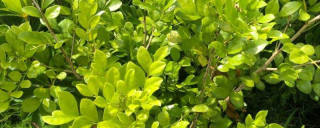
When you bring me home from the nursery, please handle my roots with care. Gently tease them apart if I am root-bound. Plant me at the same depth I was growing in my nursery pot. Do not bury my crown. I am not a sprawling ground cover like my cousin, common oregano (*Origanum vulgare*). I grow into a tidy, mounding clump. To ensure good air circulation, which prevents fungal diseases, and to give me room to reach my full size (typically 12-24 inches tall and wide), space me about 18 inches apart from other plants.
My watering needs are simple: I am drought-tolerant once established. After the initial planting, water me regularly to help my root system settle into its new home. Once I am established, I prefer to dry out between waterings. A deep, infrequent soaking is far better for me than daily sprinklings. Overwatering is a sure way to make me miserable. As for food, I am not a heavy feeder. In fact, rich, fertile soil can lead to excessive leafy growth at the expense of my flavor. A light application of a balanced, organic fertilizer at the start of the growing season is more than sufficient.
To keep me bushy and productive, you must prune me. The best time for a major trim is just before I begin to flower in the early summer. Pinch or snip off the tips of my stems; this encourages me to branch out rather than becoming tall and spindly. Harvesting my leaves is a form of pruning. For the most intense flavor, harvest my leaves just as my flower buds begin to form. You can cut stems back by about one-third. Always avoid cutting back into the old, woody growth at my base, as I may struggle to regenerate from there.
I am a hardy perennial in USDA Zones 5 through 9. In Zone 5, a layer of mulch applied around my base after the ground has frozen can help protect my roots from severe temperature fluctuations. In containers, my roots are more vulnerable to freezing. It is often wise to move my pot to a sheltered location, like an unheated garage, for the winter. In warmer zones (10 and above), I may struggle with the intense heat and humidity; providing afternoon shade can be beneficial.