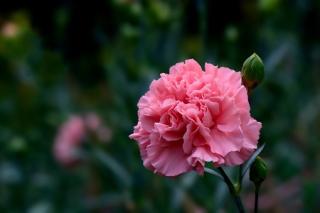
From our perspective as carnation plants (Dianthus spp.), successfully cultivating our most fragrant varieties requires an understanding of our fundamental needs. Our scent is a complex essence, a volatile compound we produce most abundantly when we are thriving, unstressed, and receiving the precise care that aligns with our botanical nature. To help you coax our richest perfumes into your garden, we offer this detailed guidance.
First, understand that not all of us are created equal in the olfactory department. Our fragrance is an inherited trait. For the most potent perfume, you must seek out specific varieties known for their scent. Look for heirloom or "old-fashioned" types, such as *Dianthus caryophyllus* (the classic Clove Pink), *Dianthus plumarius* (Cottage Pinks), and certain modern cultivars bred specifically for fragrance, like 'Devon Cottage' or 'Rainbow Loveliness'. Avoid varieties bred purely for long vase life or oversized, double blooms in florist shops, as scent is often sacrificed in their breeding. Starting with a genetically fragrant variety is the most crucial step.
We are sun-worshippers at our core. To produce the energy required to synthesize our fragrant oils, we demand a minimum of six hours of direct, unfiltered sunlight each day. Full sun exposure not only fuels our growth but also helps to concentrate these aromatic compounds. Furthermore, excellent air circulation around our foliage is non-negotiable. Stagnant, humid air encourages fungal diseases like powdery mildew, which can stress us and diminish our scent production, or worse, lead to our demise. Plant us with adequate spacing and in an open area where breezes can keep our leaves dry and healthy.
Our roots are particularly sensitive to wet conditions. We insist on a well-draining soil to prevent root rot, which is a death sentence for us. Ideal soil is slightly alkaline (a pH between 6.7 and 7.5 is perfect), lean (not overly rich in nitrogen), and gritty. Amend heavy clay soils with generous amounts of horticultural sand, grit, or fine gravel to ensure water drains away quickly. A neutral to slightly sweet (alkaline) soil seems to enhance our characteristic clove-like scent. You can achieve this by lightly incorporating a small amount of garden lime into the planting hole if your soil is acidic.
When it comes to water, we prefer a "deep but infrequent" approach. Water us thoroughly at the base, allowing the soil to dry out considerably between waterings. This encourages our roots to grow deep and strong, creating a more resilient and fragrant plant. Overhead watering should be avoided as it can lead to foliar diseases. As for food, a balanced, slow-release fertilizer applied at the beginning of the growing season is sufficient. Avoid high-nitrogen fertilizers, which promote an overabundance of soft, leafy growth at the expense of flower and fragrance production. A lean diet encourages more potent blooms.
Our fragrance is contained within our petals, so the goal is to maximize flower production. Regular deadheading—the removal of spent blooms—is essential. By snipping off the faded flower just above a set of leaves, you signal to us not to waste energy on producing seed but to redirect it into creating new, fragrant flower buds. After the main flush of flowering in early summer, give the entire plant a light shear, cutting back by about one-third. This will tidy our appearance and often prompt a second, smaller wave of blooms later in the season, extending the period of fragrance in your garden.