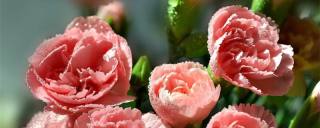
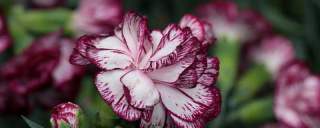
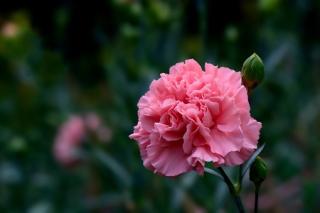
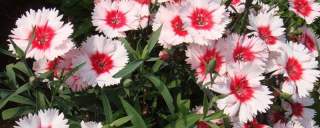
As a dwarf carnation, I am a sun-worshipper at heart. To thrive and produce the vibrant, fringed blooms I am known for, I require a minimum of six hours of direct, unfiltered sunlight each day. A south or west-facing location is ideal. Without sufficient light, my stems will become weak and leggy as I stretch desperately towards the light source, and my flower production will be disappointingly sparse. Regarding temperature, I prefer conditions that are comfortably cool to moderate. I flourish in daytime temperatures between 60-70°F (15-21°C). While I can tolerate a light frost, prolonged exposure to freezing temperatures or intense, scorching heat will cause me significant stress, halting my growth and flowering. Good air circulation around my foliage is also crucial to keep me healthy.
My root system is particularly sensitive to waterlogging, so well-draining soil is not just a preference but a necessity for my survival. I require a potting mix that is light and airy. A commercial potting mix designed for cacti or succulents is excellent, or you can create a blend by mixing standard potting soil with perlite or coarse sand to improve drainage. The container you choose for me is equally important; it must have ample drainage holes. A pot that is too large will hold excess moisture around my roots, leading to rot. When potting, ensure my crown—the point where my stems meet the roots—sits level with the soil surface; planting me too deeply can also encourage rot.
My watering needs follow a simple principle: I like to drink deeply but infrequently. Please water me thoroughly until water runs freely from the drainage holes, but then allow the top inch of the soil to dry out completely before watering again. Always check the soil with your finger; I would much rather be slightly thirsty than have my roots sitting in constant dampness. As for food, I am a moderate feeder. To support my continuous blooming, a balanced, water-soluble fertilizer applied every four to six weeks during my active growing season (spring and summer) is perfect. Please avoid over-fertilizing, especially with high-nitrogen formulas, as this will encourage an abundance of leafy growth at the expense of my beautiful flowers.
My natural instinct is to produce flowers, but you can help me become even more prolific. The most important practice is deadheading. As my individual blooms begin to fade and wither, promptly snip them off, making the cut just above a set of healthy leaves or a side shoot. This signals to me that I have failed to produce seeds and should try again, redirecting my energy into creating new flower buds instead of seed production. Regularly removing spent blooms will keep me blooming from late spring right through until fall. Additionally, if you pinch back the tips of my young stems early in the season, it will encourage me to become bushier, which ultimately results in more flowering sites.
When my basic needs for sun, air, and well-drained soil are met, I am quite resilient. However, stress makes me vulnerable. The greatest threat to my health is root rot caused by overwatering. Signs include wilting, yellowing leaves, and a general decline, even when the soil is wet. Aphids and spider mites may occasionally be attracted to my succulent new growth. A strong spray of water or an application of insecticidal soap is usually sufficient to manage them. The best defense is always prevention: providing me with the correct growing conditions to keep me strong and naturally resistant.