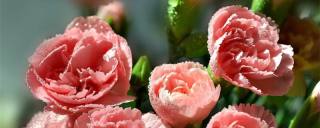
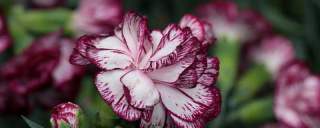
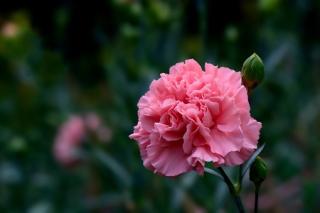
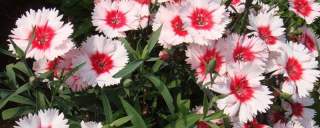
The most fundamental difference between annual and perennial carnations, from a botanical perspective, lies in their life cycle strategy, which dictates their energy allocation and long-term survival plan. Annual carnations (often derived from species like *Dianthus chinensis*) complete their entire life cycle—from seed germination, through vegetative growth and flowering, to seed production and death—within a single growing season. Their primary evolutionary goal is to invest all their energy into rapid growth and prolific flowering to set as much seed as possible before environmental conditions, typically winter frost, end their life. In contrast, perennial carnations (commonly from *Dianthus caryophyllus* and other species) adopt a long-term strategy. They are genetically programmed to live for more than two years. Their goal is not just to reproduce in one season but to survive winter dormancy and regrow for multiple seasons. This requires them to allocate a significant portion of their energy to developing robust, overwintering structures like a woody crown and a strong root system, rather than putting everything into one explosive, terminal flowering event.
This divergence in life strategy is reflected in their physical structure, or morphology. Annual carnations tend to have a softer, more herbaceous overall structure. While they may form a small basal clump, their stems are primarily green and succulent, focused on supporting that season's flowers. Once flowering is over, the entire plant senesces and decomposes. Perennial carnations, however, develop a lignified, or woody, base at the crown of the plant, just at or below the soil surface. This woody tissue is more resistant to decay and physical damage, allowing the plant to persist through periods of dormancy. From this permanent crown, new herbaceous flowering stems emerge each spring. The root system of a perennial is also typically more extensive and durable, designed to store carbohydrates over the winter to fuel spring regrowth, whereas the annual's roots are temporary and die with the rest of the plant.
The flowering behavior of these two types is directly tied to their life cycle. Annual carnations are often "day-neutral" or have a very low chilling requirement, meaning they flower quickly once they reach maturity, regardless of day length. They are bred for a single, massive, and continuous bloom period throughout the summer, after which they are exhausted. Deadheading (removing spent flowers) encourages them to channel energy into producing more blooms instead of seeds, prolonging the display until the plant's inevitable death. Perennial carnations, particularly the common garden carnation (*Dianthus caryophyllus*), often have a more defined flowering period, frequently in late spring to early summer. Many are "long-day plants," requiring specific photoperiods to initiate flowering. After their main bloom, they may produce sporadic flowers, but the plant's energy shifts to strengthening the crown and roots for the next year. In horticulture, perennial types are often deadheaded after their first flush to promote a tidier habit and sometimes a second, smaller bloom, but the primary objective is to maintain the plant's vigor for future seasons.
The perennial nature of certain carnations equips them with greater tolerance to environmental stresses, particularly cold. True perennial carnations are hardy in specific USDA zones (e.g., zones 5-9 for some varieties) and can survive freezing temperatures by going dormant. Their woody crown and stored energy reserves protect them. Annual carnations are extremely frost-sensitive and will be killed by the first hard freeze; they are only "annual" in climates with cold winters. In frost-free climates, some so-called annuals may even act as short-lived perennials, but their genetic inclination is not for long-term survival. Consequently, the longevity of a perennial carnation planting can be several years, though they often benefit from division every 2-3 years to maintain vitality, while annual plantings must be re-established from seed or new transplants each spring.