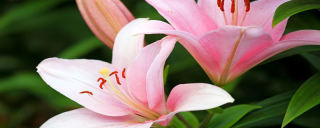
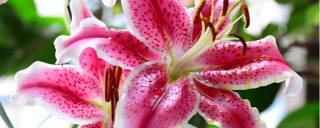
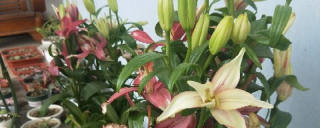
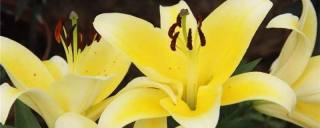
From my standpoint as a Lily, the process you call "pruning" is not an attack but a helpful collaboration. My primary purpose is to reproduce and ensure my survival. Once a flower has been pollinated and begins to die, it starts to form a seed pod. Channeling energy into seed production is a massive undertaking, drawing resources away from my bulb, which is my true lifeline for the next season. When you remove the dead flower, you are essentially telling me, "Your reproductive work here is done; you can stop expending energy on seeds." This allows me to redirect all my accumulated sugars and nutrients back into strengthening and enlarging my bulb underground. A stronger bulb means a more vigorous plant and more spectacular blooms for you next year. Similarly, dead or diseased leaves are a liability. They are open wounds, susceptible to fungi and bacteria that can spread to the rest of my foliage and even down to the bulb. Removing them is a preventative health measure that I greatly appreciate.
Timing is critical for my well-being. The act of removing spent flowers, or "deadheading," should be performed as soon as the blossom is visibly finished. You will know it is time when the vibrant petals begin to wilt, fade in color, and drop. Do not wait for the entire flower structure to turn brown and crispy. At that point, the process of decay may have already begun, increasing the risk of disease. By deadheading promptly, you minimize stress on me and encourage a clean, quick healing of the stem. It is important to note that if you are growing me for seed collection, you would, of course, leave the spent flower in place to allow the seed pod to develop fully. Otherwise, for the health of the bulb, consistent deadheading throughout my blooming period is the best practice.
How you remove the dead flower matters greatly. The goal is to make a clean cut without damaging the main stem and its remaining leaves, which are still busy with photosynthesis. Please do not simply pull or snap the flower head off, as this can create a ragged tear that is slow to heal and invites infection. Instead, use a sharp, clean pair of secateurs or scissors. Locate the point on the flower stalk just below the base of the wilted bloom but above the first set of healthy leaves. Make a clean, angled cut at this point. The angle helps shed water away from the cut surface, reducing the chance of rot. This method removes the energy-draining flower while preserving the maximum amount of healthy stem and leaf tissue, which I need to continue gathering sunlight.
My leaves are my solar panels, and I need them for as long as possible. The rule for leaf pruning is simple: only remove a leaf if it is at least 50% yellow or brown, or if it shows clear signs of disease like black spots or mildew. Even a partially green leaf is still contributing energy to the bulb. For individual dead leaves, you can gently pull them; if they resist, use your clean shears to cut them at the base where they meet the main stem. Do not cut back the entire green foliage after flowering. This is a common mistake. After the blooms are gone, I enter a critical period of bulb regeneration, entirely dependent on my leaves. Allow the foliage to remain until it turns yellow and dies back naturally, usually in the late summer or autumn. This natural senescence is my process of transferring all the energy from the leaves back into the bulb. Once the leaves are completely brown and withered, they can be easily removed with a gentle tug.