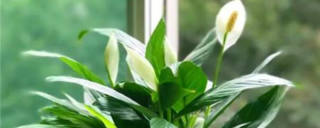
From my point of view as a Peace Lily, the brown tips you see are a direct signal of distress related to water. My roots are designed to absorb moisture and nutrients from the soil, but they also need oxygen to breathe. When you provide too much water, the soil becomes waterlogged, suffocating my root system. A suffocated root cannot function; it begins to rot and can no longer transport water to my farthest extremities—the leaf tips. Consequently, those tip cells die, turning brown. Conversely, if you allow my soil to become bone dry, the simple physical process of water movement through my tissues, from roots to leaves, is interrupted. The water column within my stems and leaves breaks, and the cells at the leaf edges, which are the most vulnerable, desiccate and die first. Therefore, whether it's too much or too little, the result from my perspective is the same: a failure to deliver life-sustaining water to my leaf margins.
Another frequent cause of my brown-edged leaves is a chemical imbalance in my soil environment. When you water me, you are not just providing H2O. Tap water often contains dissolved minerals, such as fluoride, chlorine, and salts. As the water evaporates from the soil surface and is transpired through my leaves, these minerals are left behind. Over time, they accumulate in the soil to a concentration that becomes toxic to my root system. This high mineral content, or high salinity, makes it difficult for my roots to take up water effectively, creating a physiological drought. Even though the soil may be moist, I cannot access the water, leading to dehydration symptoms—specifically, browning at the tips and edges. Similarly, an over-application of fertilizer introduces a sudden, potent salt concentration that can actually burn my delicate root hairs, causing immediate damage that manifests as brown leaf margins.
My ancestral home is the humid, shaded floor of tropical rainforests. My leaves are adapted to an atmosphere rich in moisture. When you place me in a typical home environment, especially near heating vents, air conditioners, or drafty windows, the air can become exceedingly dry. In low humidity, the rate of water loss from my leaves through transpiration exceeds the rate at which my roots can draw up water. This imbalance causes the edges of my leaves to dry out and turn brown. Furthermore, drafts of hot or cold air are a significant stressor. They create fluctuating temperatures that can damage leaf tissues directly and accelerate moisture loss. A sudden blast of hot air from a vent is like a desert wind to me, scorching my leaf tips almost instantly.
While the issues above are common stressors, it is also important to understand a natural process from my point of view. As I grow new leaves, I must direct my energy and resources to these fresh, efficient photosynthetic factories. Older leaves, particularly the lower ones, eventually become less productive. It is a normal part of my life cycle to withdraw resources from these older leaves, which may then begin to yellow and develop brown tips before I eventually shed them. This is usually a slow process affecting one or two leaves at a time, not a rapid browning of many leaves simultaneously. If the browning is isolated to the oldest growth while the new leaves in the center of my clump appear healthy and green, it is likely just me managing my energy efficiently.