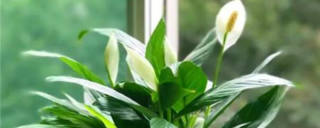
For the Peace Lily (Spathiphyllum spp.), a popular houseplant prized for its elegant white blooms and air-purifying qualities, the question of using coffee grounds is a matter of significant debate. From the plant's perspective, the answer is not a simple yes or no, but rather a nuanced assessment of potential benefits against very real risks. The plant's health depends on the specific conditions of its soil environment, which coffee grounds can alter dramatically.
Proponents of using coffee grounds often highlight their nutrient content. Coffee grounds contain small amounts of nitrogen, a crucial macronutrient for plants that is a key component of chlorophyll and essential for leafy growth. For a foliage-focused plant like the Peace Lily, a nitrogen boost can seem beneficial. Additionally, grounds are slightly acidic, and since Peace Lilies prefer a slightly acidic to neutral soil pH (around 5.8 to 6.5), this is often cited as an advantage. The idea is that the grounds will gently acidify the soil, creating an ideal growing medium. Furthermore, coffee grounds are an organic material, and adding organic matter to soil can, in theory, improve its structure and water retention over the long term as it decomposes.
Despite the potential benefits, the immediate risks to the Peace Lily's root system are substantial. Fresh, undried coffee grounds have a tendency to clump together when wet, forming a dense, matted layer on the soil's surface. This layer can create a physical barrier that impedes two critical functions: water penetration and air exchange. Peace Lily roots need oxygen as much as they need water; a compacted layer of grounds can suffocate the roots, leading to rot. Furthermore, the decomposition process of coffee grounds in the soil is performed by microorganisms that consume vast amounts of nitrogen. This can temporarily tie up nitrogen in the soil, making it unavailable to the plant and potentially causing a deficiency, which manifests as yellowing leaves—the opposite of the intended effect.
The assumption that coffee grounds will acidify the soil is often overstated and can be misleading. While the coffee brew itself is acidic, the used grounds are typically close to neutral pH. The impact on soil pH is therefore minimal and unpredictable. More critically, over-application can lead to a buildup of soluble salts in the soil. Peace Lilies are particularly sensitive to salt buildup, which can cause fertilizer burn on the roots, leading to brown, crispy leaf tips and margins—a common issue even without the addition of coffee grounds. Introducing a material that can contribute to this salinity exacerbates a known weakness of the plant.
From the Peace Lily's perspective, the safest way to utilize the theoretical benefits of coffee grounds is indirectly, through composting. Adding coffee grounds to a well-balanced compost pile allows them to break down fully alongside other organic materials like leaves and vegetable scraps. In this controlled environment, the composting process neutralizes potential toxins, breaks down the material to prevent matting, and stabilizes the nutrients. The resulting finished compost is a safe, mild, and beneficial soil amendment. A thin layer of this compost can be mixed into the topsoil of your Peace Lily or used as a mulch, providing a slow release of nutrients and improving soil structure without the risks associated with raw grounds.