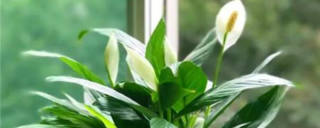
As a Peace Lily, my botanical name is *Spathiphyllum spp.*, and I hail from the tropical understory forests of the Americas and Southeast Asia. This origin is the single most important factor in understanding my needs, including my relationship with humidity and misting. To answer the question of whether you should mist me, you must first see the world from my perspective—from the forest floor, where the air is warm, still, and thick with moisture.
In my natural home, I rarely experience the dry, conditioned air common in human dwellings. The humidity levels are consistently high, often between 60% and 90%. This moist air is crucial for my well-being. My broad, glossy leaves are designed to absorb moisture directly from the atmosphere through tiny pores called stomata. This is a vital supplement to the water my roots draw from the soil. When the air is too dry, these stomata close to prevent excessive water loss, a process known as transpiration. When they close, my ability to "breathe" and perform photosynthesis is hampered, leaving me stressed and vulnerable.
Misting is a direct attempt to replicate the dew and moisture of my jungle home. A fine spray of lukewarm water on my leaves provides immediate, temporary relief. It raises the humidity directly around my foliage, encouraging my stomata to stay open. This can be a welcome respite, especially in winter when heating systems make the air parched. It also helps wash away dust particles that can clog my leaf pores, allowing me to absorb more light efficiently. For me, a gentle mist feels like a refreshing morning dew.
However, misting has significant drawbacks. The increased moisture on my leaves, particularly if water pools in the central cup where my new leaves emerge (the crown), creates a perfect environment for fungal diseases and bacterial growth. If I am constantly wet, I can develop leaf spot or crown rot, which can be fatal. Furthermore, the humidity boost from misting is incredibly fleeting, often lasting only a few minutes before the room's dry air returns to its previous state. Using tap water can also leave unsightly white spots of mineral deposits on my beautiful leaves, which block light and are difficult to clean.
While I don't mind an occasional, light misting if you use distilled or filtered water and avoid wetting my crown, there are far more effective ways to keep me happy. These methods provide a consistent level of ambient humidity, which is what I truly need.
My favorite method is being grouped with other plants. When we are placed close together, we create our own microclimate through collective transpiration. The water vapor we release raises the humidity for the entire group, mimicking the communal environment of a forest. Another excellent solution is placing my pot on a pebble tray. This involves a shallow tray filled with pebbles and a small amount of water. My pot sits on the pebbles, above the water line. As the water evaporates, it envelops me in a gentle, constant haze of humidity without any risk of my roots sitting in water or my crown staying wet.
I am a communicative plant, and my leaves will tell you clearly when I am suffering from low humidity. The most common sign is the browning of my leaf tips. If you see crisp, brown edges on my otherwise green leaves, it is my direct plea for more atmospheric moisture. While this can also be a sign of over-fertilization or underwatering, when combined with dry air, it is a classic symptom of humidity stress. Yellowing leaves, on the other hand, are more often a sign of overwatering, so it is important to distinguish between the two.