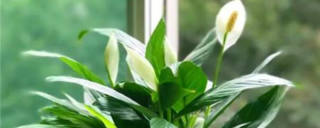
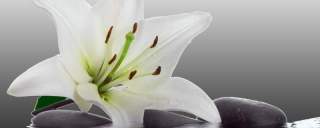
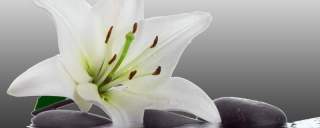
As a Peace Lily (Spathiphyllum spp.), I am a resilient and communicative houseplant, known for my elegant white blooms and deep green leaves. While I am adaptable, providing me with my ideal temperature and humidity range is the key to unlocking my full, vibrant potential and avoiding the stress signals I am known to send. From my perspective, these two factors are deeply intertwined with my overall health, influencing everything from my respiration and transpiration to my ability to flower.
I hail from the shaded understories of tropical rainforests in the Americas and Southeast Asia. This means I am accustomed to consistently warm temperatures without extreme fluctuations. For me, the ideal temperature range is between 65°F and 80°F (18°C and 27°C). Within this bracket, my metabolic processes, like photosynthesis, operate efficiently. I am comfortable and can focus my energy on growing new, lush leaves and, hopefully, producing my beautiful spathes. It is crucial to protect me from drafts, whether from air conditioning vents, open windows in winter, or heating units. Sudden chills below 55°F (13°C) can cause significant damage, leading to yellowing leaves, blackened leaf tips, and stunted growth. Conversely, prolonged exposure to heat above 85°F (29°C) can cause my leaves to wilt excessively, even if the soil is moist, as I lose water through transpiration faster than my roots can absorb it.
Humidity, the amount of water vapor in the air, is perhaps even more critical than temperature for my well-being. In my natural habitat, the air is consistently moist. The ideal relative humidity for me is 50% or higher. When the air in your home becomes too dry—which is common during winter when heating systems are running—I struggle. Low humidity accelerates the rate of transpiration, causing water to evaporate from my large leaf surfaces rapidly. This leads to the classic symptom of brown, crispy leaf tips and edges, which is my way of pleading for more atmospheric moisture. Inadequate humidity can also make me more susceptible to pests like spider mites, who thrive in dry conditions.
You cannot consider my temperature needs in isolation from humidity; they are a partnership. Warmer air can hold more moisture. So, if I am kept at the warmer end of my ideal range (say, 78°F or 26°C), I will have a greater need for higher humidity to compensate for increased transpiration. If the humidity is low at that temperature, I will wilt and become stressed. Conversely, if the temperature is at the cooler end of my range (around 65°F or 18°C), I can tolerate slightly lower humidity levels because my metabolic activity and water loss are slower. The goal is to avoid a combination of high temperature and low humidity, which is the most stressful condition for me.
Fortunately, you do not need to turn your entire home into a rainforest to make me happy. Simple strategies can create a perfect microclimate around me. Grouping me with other plants is highly effective. As we all transpire, we collectively raise the humidity level in our immediate vicinity. Placing my pot on a pebble tray filled with water is another excellent method. As the water evaporates, it directly humidifies the air around my leaves. Ensure my pot is sitting on the pebbles, not in the water, to avoid root rot. A gentle misting of my leaves with lukewarm water can provide temporary relief, but it is not a long-term solution on its own. For consistently dry homes, using a room humidifier placed near me is the most reliable way to maintain perfect humidity levels throughout the year.