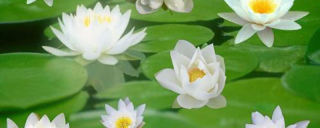
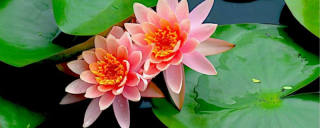
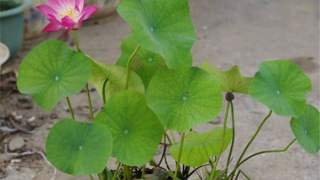
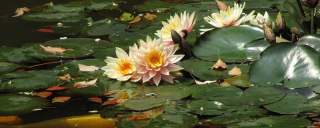
From a botanical perspective, water lilies (Nymphaea spp.) are aquatic perennials with a specific growth habit centered around their rhizomes, tubers, or tuberous roots. These specialized underground storage organs are the plant's command center, from which roots grow downward and stems, leaves, and flowers grow upward. In a natural pond, a water lily's rhizome can spread freely across the bottom. However, in a controlled garden pond, unrestricted growth can lead to the plant becoming invasive and difficult to manage. A fabric pond basket is an excellent solution because it mimics a more confined natural environment. The porous fabric allows for essential gas exchange (oxygen to the roots, carbon dioxide out) and prevents the roots from becoming completely root-bound in a destructive way, promoting a healthier, more fibrous root system than a non-porous plastic pot might.
The choice of planting medium is critical for the water lily's health. Standard garden soil or potting mix with peat, vermiculite, or perlite is unsuitable. These lightweight components will float out of the basket, clouding the water and depleting the plant's substrate. Instead, a heavy, loamy garden soil or a specific aquatic planting soil is required. This type of soil is dense and clay-like, providing weight to anchor the plant and retaining nutrients without dissipating into the water column. The soil's density also ensures that the rhizome remains stable and is not easily dislodged. From the plant's viewpoint, this stable, nutrient-rich base is essential for establishing a strong root system that can support the vigorous growth of large lily pads (leaves) and abundant blooms.
Begin by partially filling the fabric basket with the prepared heavy loam soil. The key botanical step is the placement of the water lily. You must identify the growing tip (or "crown") of the rhizome—this is the point from which new leaves will emerge. The rhizome should be positioned at a slight angle, approximately 45 degrees, with the growing tip pointing upwards towards the rim of the basket and facing the center of the pot. It is vital that the crown remains above the soil level; burying it can lead to rot and kill the plant. The lower end of the rhizome can be nestled into the soil. Once positioned, gently add more soil around the rhizome, firming it down to secure the plant, but again, ensuring the crown is exposed.
After planting, the soil surface must be protected from washing away when the basket is submerged. A layer of clean pea gravel or small aquatic stones, about 1-2 inches deep, should be spread over the soil. This layer acts as a physical barrier, holding the soil in place. It also helps to prevent fish from disturbing the soil and digging up the newly planted rhizome. Before placing the basket into the pond, water the soil thoroughly. This initial watering helps to settle the soil and expel any large air pockets that could cause anaerobic conditions harmful to the roots. Water slowly until it pools on the surface of the gravel.
The final step is introducing the planted water lily to the pond. Do not immediately place the basket at its final depth. Water lilies need to be acclimatized gradually. Initially, lower the basket into the pond so that it is positioned just 6 to 12 inches below the water surface, allowing the new leaves to easily reach the top for sunlight. As the plant establishes and sends leaves to the surface, you can gradually lower the basket over a period of a few weeks to its ultimate depth, which is typically 12 to 24 inches for most hardy varieties. This gradual process prevents the young plant from being stressed by the immediate pressure and lower light levels of deeper water, encouraging a stronger start.