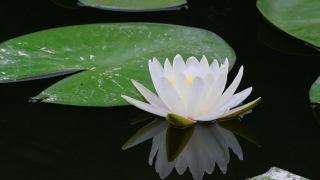
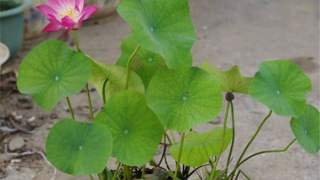
From the perspective of a water lily (Nymphaea spp.), the leaf is not merely decorative; it is a vital organ for survival and competition. Its primary functions are photosynthesis, gas exchange, and providing a stable platform to outshade competing algae and submerged plants. A healthy, flat lily pad is perfectly engineered for this. The upper surface is coated with a waxy cuticle that repels water, keeping the stomata (pores for gas exchange) clear and dry. The internal structure includes aerenchyma—a spongy tissue filled with air channels—which provides buoyancy and transports oxygen to the submerged parts of the plant, including the roots and rhizome anchored in the mud. Any deviation from this flat, buoyant form, such as curling or cupping, is a direct physiological response to stress, indicating that the plant's internal systems are compromised.
The curling or cupping of a water lily leaf is a symptom of a failure in the leaf's hydrostatic pressure and structural integrity. The primary internal cause is often damage or dysfunction in the petiole (the leaf stem). The petiole acts as both a structural support and a vital pipeline, transporting water, nutrients, and gases between the rhizome and the leaf lamina. If this pipeline is pinched, kinked, damaged by pests (like the water lily beetle or borers), or begins to rot due to bacterial or fungal infection, the flow of water and nutrients to the developing leaf is restricted. The leaf cells cannot maintain turgor pressure—the internal water pressure that keeps plant cells rigid. Without adequate turgor, the leaf cannot expand fully or maintain its flat shape, resulting in cupping or distortion as it attempts to grow with limited resources.
My internal systems are highly sensitive to my aquatic environment. Cupping and curling are direct physiological reactions to several key stressors. Firstly, water turbulence is a major disruptor. Constant splashing from fountains or waterfalls can physically damage the delicate emerging leaf tissue and, more critically, can lead to the petiole breaking its secure attachment to the rhizome. A loose petiole cannot function as an effective pipeline. Secondly, water quality is paramount. While I am adapted to still, nutrient-rich waters, a sudden, extreme overabundance of nutrients (eutrophication) can cause rapid, weak growth that is prone to distortion. Conversely, a lack of essential micronutrients can impair the cellular processes necessary for proper leaf expansion. Finally, overcrowding is a severe stressor. If my rhizome becomes too congested, new leaves are forced to compete intensely for space and resources. The petioles may grow long and spindly as they stretch for light, and the leaves they support may be weak, small, and curled due to the energy deficit and physical confinement.
From my viewpoint as a plant, pests and diseases are not just superficial annoyances; they are direct attacks on my vital systems. Insects like aphids or water lily beetles feed on the sap of my leaves and petioles. This feeding activity physically damages the vascular tissues (the xylem and phloem) and injects saliva that can disrupt my hormonal balance. The result is localized cell death and malformation, often seen as curling. Fungal and bacterial infections are even more insidious. They typically enter through wounds and colonize the petiole, rotting it from the inside. This rotting process destroys the aerenchyma tissue that provides buoyancy and blocks the vascular system, effectively strangling the leaf. The leaf's response is a desperate attempt to conserve resources, leading to cupping, yellowing, and eventual collapse.