From my perspective as a water lily, everything begins at my rhizome. This is not just a root; it is my central storage unit, my command center, and my engine for growth. It lies horizontally in the soil at the bottom of the pond, and from it, my roots descend for anchorage, and my stems ascend towards the sunlight. When you fertilize me, the nutrients must reach this critical structure. If the fertilizer is placed too far away in the water column, it is largely useless to me. The nutrients need to be in the soil, close to my rhizome, where my roots can absorb them and transport them directly to where they are needed most for producing new leaves and, most importantly, flower buds.
My need for food is not constant throughout the year. It is tied directly to the water temperature and the amount of sunlight I receive. In early spring, as the water warms above 60°F (15°C), I awaken from my dormancy. This is when I experience a tremendous surge of growth. My rhizome sends up its first leaves, and this is the perfect time for the first feeding. This initial burst of energy is crucial for establishing a strong season. I will then need regular nourishment throughout the summer, my peak flowering period. As autumn approaches and the days shorten, my growth slows. Feeding me at this time is counterproductive, as it encourages tender new growth that will be damaged by the coming frost. It is best to let me naturally prepare for my winter rest.
To produce my magnificent flowers, I require a specific balance of nutrients. While I need nitrogen (N) for vigorous leaf growth, an excess will make me produce leaves at the expense of flowers. What I truly crave for blooming is phosphorus (P), which is essential for flower formation, root development, and overall energy transfer within my system. Potassium (K) is also vital for my general health, disease resistance, and the strength of my stems. Therefore, a fertilizer with a formulation higher in phosphorus, such as a 10-14-8 or 5-10-5 ratio, is ideal. Crucially, this fertilizer should be slow-release, either in tablet or spike form. A quick-release liquid fertilizer dumped into the pond water will mostly feed the algae, creating green water and competing with me for light and resources. A slow-release tablet placed near my rhizome provides a steady, targeted supply of food exactly where I need it.
The method of feeding is as important as the food itself. Pushing a fertilizer tablet directly into the soil near my rhizome is the most effective technique. To do this without causing me stress, please be gentle. Push the tablet deep into the soil, about halfway between the crown of my rhizome and the pot's edge. Aim for a depth of about 3-4 inches. This ensures the nutrients are within reach of my active root zones. If I am planted in a large pond bed, you may need to wade in carefully. If I am in a container, you can simply lift the pot from the pond, insert the tablet, and lower me back in. This direct soil application prevents nutrient leaching into the water and delivers a concentrated dose to my system, fueling my next wave of flower production.
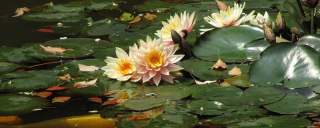
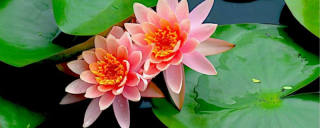
When you feed me correctly, I will show my gratitude clearly. My leaves will be a deep, vibrant green, firm, and floating healthily on the water's surface. They will resist pests and diseases more effectively. Most importantly, you will see a consistent production of flower buds. Each bud will rise strongly on its stem, open fully under the sun, and display rich, intense colors. A lack of flowers, yellowing leaves, or generally stunted growth are my ways of communicating that I am hungry or that the nutritional balance is wrong. By listening to these signals and providing the right food at the right time and in the right place, you enable me to reach my full, beautiful potential.