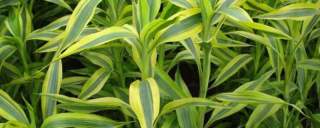
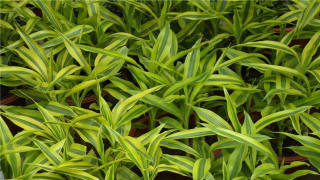
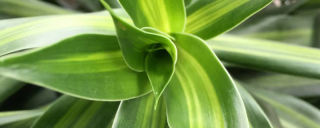
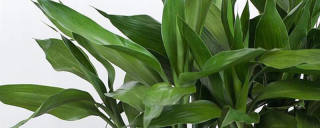
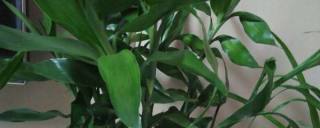
From a botanical perspective, the green color of a healthy Lucky Bamboo (Dracaena sanderiana) stem is due to the presence of chlorophyll. Chlorophyll is the vital pigment located within chloroplasts, the organelles responsible for photosynthesis. Photosynthesis is the process by which plants convert light energy, water, and carbon dioxide into chemical energy (sugars) to fuel growth and maintenance. When a stem begins to turn yellow, it is a clear visual indicator that chlorophyll is degrading or being reabsorbed by the plant. This loss of green pigment reveals the underlying yellow carotenoid pigments, which were always present but masked by the chlorophyll. The yellowing, or chlorosis, of the stem is a severe sign, as the stem is the primary structural and conductive tissue. Unlike a yellowing leaf, which the plant can sacrifice, a yellowing stem often signifies a systemic problem affecting the plant's core transport systems for water and nutrients.
Lucky Bamboo is exceptionally sensitive to chemicals commonly found in tap water, particularly fluoride, chlorine, and dissolved salts (high mineral content). These chemicals accumulate in the plant's tissues over time. Fluoride, for instance, can inhibit enzymatic activity and disrupt physiological processes, leading to cell damage. This damage impairs the plant's ability to maintain its vascular system—the xylem and phloem that run through the stem. When these tissues are compromised, the transport of water from the roots to the leaves and the distribution of sugars from the leaves to the roots are hindered. The resulting stress manifests as yellowing, often starting at the tips of the stems and moving downward. This is fundamentally a case of chemical toxicity preventing normal cellular function and leading to the death of stem tissue.
The health of the stem is directly linked to the health of the root system. Two common water-related issues can cause root rot, which in turn leads to a yellow stem. First, standing water: if the plant is in a container without drainage and the water level is too high, submerging a significant portion of the stem and roots, it creates an anaerobic (oxygen-deprived) environment. Plant roots require oxygen for respiration. Without it, the roots begin to suffocate, die, and rot. Second, poor water quality can directly damage the roots, making them susceptible to fungal and bacterial infections. As the roots decay, they can no longer absorb water and nutrients. This creates a drought condition within the plant, despite being surrounded by water. The stem, starved of water and essential elements, will yellow, soften, and eventually collapse.
While water issues are the most common cause, light and nutrients play a role. Lucky Bamboo prefers bright, indirect light. Excessive direct sunlight can act as a stressor, causing a photobleaching effect where chlorophyll is damaged by intense light energy, leading to yellowing. Conversely, while not a direct cause of stem yellowing, severe nutrient deficiency can contribute to overall plant decline. However, it is crucial to note that Lucky Bamboo has very low nutritional requirements when grown in water. The application of fertilizer, especially a strong one or too frequently, can cause fertilizer burn, damaging the roots and leading to the same downward spiral of root rot and stem yellowing described above. The plant is far more likely to suffer from over-fertilization or chemical toxicity than from a lack of nutrients.
Botanically, a yellow stem is typically a sign of necrotic, or dead, tissue. Unlike a leaf, which can be shed by the plant through a process called abscission, the stem is a permanent organ. Once the cells in the stem die and lose their chlorophyll and structural integrity, they cannot be revived. The plant may attempt to compartmentalize the damage, sealing off the affected area to prevent the spread of decay to healthy tissue. If the yellowing is caught early and is only at the very top, it is sometimes possible to cut off the yellow portion, but only if the section below the cut is still firm and green. However, if the yellowing has progressed significantly down the stem, the damage is usually fatal for that stalk. The plant's energy will be directed towards preserving any remaining healthy stems or, if possible, producing new shoots from unaffected nodes.