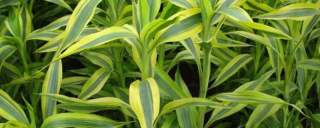
From a botanical standpoint, the term "bamboo" is the primary source of confusion and potential danger. True bamboo, belonging to the grass family Poaceae (subfamily Bambusoideae), is generally considered non-toxic to cats and dogs. These are the large, woody-stemmed plants that can grow into towering groves. However, several common houseplants are misleadingly named "bamboo" due to their visual resemblance, and these are often the culprits behind pet toxicity. The most prevalent and hazardous of these is "Lucky Bamboo."
Plants classified under the true bamboo genus are not known to contain any principles toxic to cats or dogs. If a pet, particularly a dog, chews on the leaves or stalks of a genuine bamboo plant, the primary risk is not poisoning but rather a physical one. The fibrous, tough plant material can cause mild gastrointestinal irritation, leading to symptoms like drooling, vomiting, or diarrhea as the body attempts to pass the foreign matter. In rare cases, sharp pieces could potentially cause an obstruction, especially in smaller animals. Therefore, while true bamboo is not poisonous, it is still advisable to discourage pets from chewing on it to avoid these mechanical digestive issues.
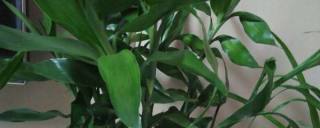
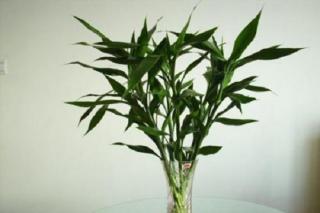
This is the plant most often responsible for toxic reactions associated with "bamboo." Lucky Bamboo is not a bamboo at all; it is a member of the asparagus family (Asparagaceae) and belongs to the genus *Dracaena*. All parts of the Lucky Bamboo plant are toxic to both cats and dogs. The toxic principle is a group of chemical compounds known as saponins. When ingested by a pet, these saponins irritate the gastrointestinal tract and can cause more systemic effects. In cats, who are particularly sensitive, ingestion can lead to dilated pupils, drooling, vomiting, depression, incoordination, and weakness. The severity of the symptoms depends on the amount ingested. This plant poses a significant risk and should be kept completely out of reach of pets.
Beyond Lucky Bamboo, other plants with "bamboo" in their common name can also be hazardous. Heavenly Bamboo (*Nandina domestica*), for example, is an evergreen shrub not related to true bamboo. It is highly toxic to cats, dogs, and other animals because its berries and leaves contain cyanogenic glycosides. When ingested, these compounds can release cyanide into the bloodstream, leading to respiratory failure, seizures, coma, and can be fatal. Another example is Dwarf Bamboo (*Sasa veitchii*), which is a true bamboo and therefore not toxic, but again, the confusion in common names underscores the importance of accurate plant identification.
For pet owners, accurate identification of the plant in the home or garden is critical. Key distinguishing features include: True Bamboo has leaves that are directly attached to the stem (no petiole) and hollow, jointed stems (culms). Lucky Bamboo has smooth, solid stems that are often trained into curls or braids, with lance-shaped leaves that may have a small petiole. When in doubt, using the plant's scientific name is the most reliable way to determine its toxicity. The ASPCA website provides a comprehensive, searchable list of plants toxic and non-toxic to pets. As a general rule, it is safest to place any plant, even non-toxic ones, in a location inaccessible to curious pets to prevent any possible gastrointestinal upset or more serious poisoning.