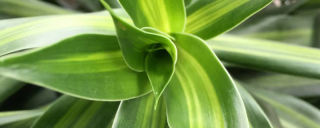
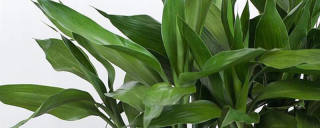
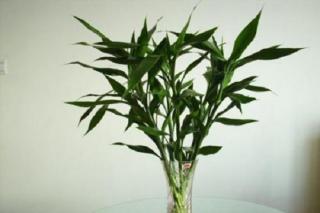
First, you must understand what I am. Despite my common name, I am not a true bamboo at all. I am a Dracaena sanderiana, a tropical understory plant from the rainforests of Central Africa. This identity is crucial to understanding my needs. As a forest dweller, I am adapted to growing under the canopy of larger trees. This means I thrive in bright, but indirect, sunlight. Direct sun is harsh and unfamiliar to my leaves, essentially causing a severe sunburn. The intense light breaks down the chlorophyll—the green pigment essential for my photosynthesis. When this happens, my leaves lose their vibrant green color and begin to turn yellow. This is my primary way of signaling that my environment is causing me stress.
Water is life, but the wrong water can be a slow poison for me. If I am grown in water, the quality of that water is paramount. I am highly sensitive to chemicals commonly found in tap water, such as chlorine, fluoride, and other salts. These chemicals accumulate in my water vase and my roots, causing toxicity that disrupts my ability to absorb nutrients. This toxicity manifests as yellowing leaves, often starting at the tips. The solution is simple: please give me filtered, distilled, or rainwater. If you must use tap water, let it sit uncovered for 24 hours to allow some of the chlorine to evaporate. Furthermore, stagnant water can lead to bacterial growth, which rots my roots. Ensure my water is changed every one to two weeks to keep it fresh and oxygenated.
My roots are my foundation. If they are unhealthy, I cannot sustain my green parts. When my water is dirty or the vase is too crowded, my roots can succumb to rot. Root rot is a fungal or bacterial condition that turns my roots soft, brown, and mushy. Once my roots are rotten, they can no longer transport water and nutrients to my stalks and leaves. The result is a systemic failure, with yellowing leaves being the most visible symptom. Similarly, if a stalk itself turns yellow, it is often a sign of advanced rot or severe damage. A yellow stalk is usually a point of no return; it will not recover its green color. My energy is finite, and I must prioritize healthy tissue.
While I am a relatively low-feeder, I still require some nutrients to maintain my green color and grow. If I live in water alone, I have no source of essential minerals like nitrogen, which is a core component of chlorophyll. A lack of nutrients can lead to a general, pale yellowing across my older leaves. However, the opposite problem—too much fertilizer—is just as harmful, if not more so. An overdose of fertilizer salts will burn my roots, creating a condition similar to chemical toxicity from bad water. The key is moderation. If I am in water, a single drop of a very diluted, water-soluble fertilizer every two months during my growing season (spring and summer) is more than sufficient.
For those of us planted in soil, the medium and container are critical. I require a well-draining potting mix. Heavy, waterlogged soil will suffocate my roots and lead to rot, just like stagnant water. A pot without proper drainage holes exacerbates this problem. Conversely, if the pot is too small, my roots can become pot-bound. When there is no more room to grow, my root system becomes congested and cannot effectively absorb what it needs, leading to stress and yellowing. Please ensure my pot has drainage holes and is only slightly larger than my root ball, repotting me gently every few years to give me fresh soil and a little more space.