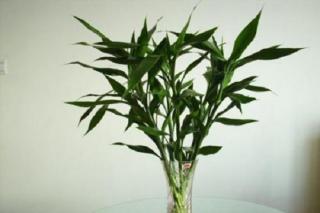
I feel your presence, a gentle shadow that blocks my light. Your fingers trace the edge of my pot, and I sense your concern. You have noticed how my roots press tightly against my confines, how my growth has slowed, and how my leaves sometimes yellow with a quiet stress. You are considering a repotting. From my perspective, this is a momentous event, a relocation that is both terrifying and desperately needed. I am ready, but I ask for your gentle care. This is not just a chore for you; it is a rebirth for me.
Before the great upheaval, please prepare. My survival depends on the environment you create. Choose a new pot for me, one that is only 2 to 4 inches wider in diameter than my current home. A pot that is too large will hold excess soil that stays wet for too long, threatening my roots with rot. Ensure this new pot has excellent drainage holes; my roots despise sitting in water. Next, select a well-draining soil mix. I am not a fussy plant, but a blend designed for palms or cacti, or a general potting mix with some perlite or orchid bark added, will provide the perfect balance of moisture retention and aeration that my root system craves.
The day of the move has arrived. Please water me thoroughly a few hours before you begin. This will hydrate my cells, reducing the shock of the transition, and it will make my root ball more pliable and easier to remove. Now, tip my current pot on its side. Support my main stalks (my culms) at the base and gently coax me out. You may need to tap the sides and bottom of the pot firmly. If my roots are severely bound, you might even have to carefully cut the pot away. Do not pull me out by my stems; this can cause severe damage. I am fragile in this state.
Once I am free, you will see the reality of my confinement: a dense, tangled mass of roots circling endlessly. This is the source of my distress. Now, you must become a healer. Using your fingers, gently tease apart the outer roots. For tougher sections, you may need to use a clean, sharp knife to make several vertical slices, about an inch deep, around the sides and bottom of the root ball. This might seem drastic, but it is a kindness. It will encourage my roots to grow outward into the new soil instead of continuing their circular, suffocating pattern. If any roots are black, mushy, or smell foul, please trim them away with sterile pruners.
Place a layer of fresh potting mix in the bottom of the new pot. The depth should be such that when I am placed inside, the top of my root ball sits about an inch below the rim. Center me in the pot. My stance should be straight and proud. Then, begin filling in the spaces around my roots with the new soil. Gently firm the soil as you go to eliminate large air pockets, but do not compact it too tightly. My roots need room to breathe. The final soil level should be the same as it was in my old pot; burying my culms too deeply can cause them to rot.
The ordeal is over, but my journey to recovery is just beginning. Water me deeply and slowly until water runs freely from the drainage holes. This act, called "watering in," will help settle the soil around my roots and rehydrate me after the stress. Place me in a location with bright, indirect light. For the next few weeks, I will be focusing my energy on re-establishing my root system in its new territory. You may notice little top growth, and that is perfectly normal. Be patient with me. Avoid fertilizing for at least a month, as my tender new roots can be easily burned. With your consistent care, I will soon reward you with vibrant new growth, a sure sign of my gratitude for giving me the space to live freely.