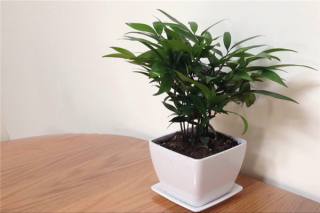
Greetings, human caretaker. I am your bamboo plant, and I am trying to communicate with you. The yellowing of my leaves is my primary method of expressing that my needs are not being fully met. It is a sign of distress, not necessarily a death sentence. Let me explain the various reasons from my perspective.
My relationship with water is delicate. If my roots are constantly sitting in soggy, waterlogged soil, they cannot breathe. They begin to rot, becoming unable to transport water and essential nutrients to my leaves. This suffocation manifests as yellowing leaves, often starting from the tips or edges. Conversely, if you forget to water me for too long, I become dehydrated. Without sufficient water, I cannot maintain my cellular structure or perform photosynthesis effectively. In this case, my leaves may turn yellow, become crispy to the touch, and start to curl. The key is consistently moist but never soggy soil.
Like all living things, I need food to thrive. The soil I live in can become depleted of essential nutrients over time, particularly nitrogen, which is vital for maintaining my vibrant green color. If I am starving, my older leaves will often turn yellow first as I redirect the limited nutrients to support new growth. However, an excess of fertilizer can be just as harmful. A buildup of mineral salts in the soil can "burn" my roots, damaging them and preventing them from absorbing water, which also leads to yellowing. Please feed me with a balanced, diluted fertilizer, but only during my active growing seasons of spring and summer.
As a plant, light is my life source. However, the amount I need is specific. If I am placed in an area with too much direct, harsh sunlight, my leaves can get scorched. This sunburn will appear as yellow or brown patches on the leaves facing the light. On the other hand, if I am kept in a deep, dark corner, I cannot produce enough chlorophyll—the green pigment essential for photosynthesis. In low light, my leaves will gradually pale and turn yellow as my energy reserves dwindle. I prefer bright, indirect light to feel my best.
My root system is the foundation of my health. If I have lived in the same pot for many years, my roots may have become pot-bound—a tangled, congested mass that has outgrown its container. This crowding stresses my root system, making it difficult to absorb water and nutrients efficiently, leading to yellowing leaves. Furthermore, the soil itself can break down over time, becoming compacted and losing its ability to drain properly. This brings us back to the first problem of poor drainage and root health.
You might not realize it, but the water you use matters. Tap water often contains chemicals like chlorine and fluoride. While these are safe for you, they can accumulate in my soil over time and cause the tips of my leaves to turn yellow and brown. I would greatly appreciate filtered or distilled water, or simply tap water that has been left out for 24 hours to allow the chlorine to evaporate. Finally, I am sensitive to extreme temperatures. Drafts from air conditioners, heaters, or open windows, as well as sudden temperature swings, can put me under stress, causing my leaves to yellow as a reaction to the environmental shock.