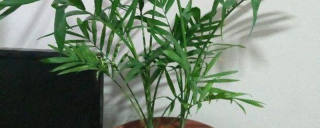
From my perspective as a Lucky Bamboo (Dracaena sanderiana), the single most important characteristic of my potting soil is its ability to manage water. While I enjoy consistent moisture, my roots are highly susceptible to rot if they are left sitting in saturated, oxygen-deprived mud. Therefore, the best soil for me is not actually a dense, water-retentive soil, but rather a very well-draining one. Think of it as creating an environment that holds just enough moisture for my roots to access but allows excess water to flow away freely. This balance is critical. A mix that drains too quickly will leave me thirsty, but one that holds too much water will drown me. The goal is a moist, but never soggy, root zone.
The perfect potting mix for me mimics a loose, airy forest floor. It should be a soilless potting mix, which provides a sterile and well-structured base. Here is what I need the mixture to contain. A high-quality peat moss or coconut coir is an excellent base component; it provides slight moisture retention without becoming compacted. To this, a generous amount of chunky materials must be added to create air pockets. Perlite is fantastic—those white, lightweight pellets ensure aeration and drainage. Similarly, coarse sand (not fine beach sand) helps keep the mixture open. For an extra boost of drainage and a slightly acidic pH that I prefer, a handful of orchid bark chips or even small lava rocks can be incorporated. A good ratio to aim for is one part peat moss/coir, one part perlite, and one part coarse sand or orchid bark.
My root system functions best in a slightly acidic to neutral pH environment, typically between 6.0 and 6.5. This pH range allows me to efficiently absorb the essential nutrients from the soil. Most standard soilless potting mixes fall within an acceptable range, but it is a factor you should be aware of. If the mix becomes too alkaline, I may show signs of distress, such as yellowing leaves, because I cannot access key nutrients like iron. Using rainwater or distilled water for watering, as opposed to hard tap water which is often alkaline, will naturally help maintain the correct pH in my pot.
It is important to address the method in which I am most commonly seen: growing in pure water. This is a perfectly viable way for me to live, but it requires specific care. If you choose this method, my "soil" becomes the medium that simply anchors me upright. Smooth, clean gravel, pebbles, or glass beads are ideal. They provide stability for my stalks without affecting the water's chemistry. The key to this method is using distilled or purified water to avoid chemical burns from fluoride and chlorine found in tap water, and changing the water completely every two weeks to prevent bacterial growth. While I can thrive in water, a well-draining soil mix often provides more stable, long-term nutrition.
Just as important as what to include is what to avoid. Please do not use heavy garden soil or topsoil in my pot. These soils compact easily, choking my roots and creating a waterlogged environment that will quickly lead to fatal root rot. Also, avoid potting mixes that are advertised for moisture-loving plants like ferns, as these often contain high levels of water-retentive materials like vermiculite and not enough drainage agents. Steer clear of mixes with added fertilizers, as my nutrient needs are very low and a concentrated dose can burn my delicate roots. It is much safer to add a very dilute, balanced liquid fertilizer occasionally than to have a strong mix built into the soil.