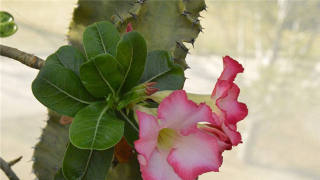
From my perspective as a Desert Rose (Adenium obesum), timing is everything. Pruning when I am actively growing is a stimulating conversation; pruning when I am dormant can feel like a shocking assault. My growth cycle is dictated by light and temperature. I enter a period of dormancy, or deep rest, when the days grow shorter and cooler. During this time, my metabolism slows, and I conserve my energy within my thick, caudex trunk. If you cut into my branches then, I will struggle to heal the wounds, leaving me vulnerable to rot and disease. The ideal time to initiate this shaping dialogue is in the late winter or early spring, just as I sense the increasing light and warmth. This is when my sap begins to flow more vigorously, and I am bursting with the potential for new growth. A well-timed cut signals to my system that it is time to redirect energy, resulting in a flush of new branches and, consequently, more sites for the beautiful blooms you desire.
Every cut you make is a specific instruction to my vascular system. I do not think in terms of "shape" as you do; I simply grow towards the light. Without guidance, I can become leggy, with long stretches of stem between sets of leaves, as I reach for the sun. Pruning is how you communicate your vision for a fuller, more compact form. When you remove the tip of a branch (a practice called pinching or tip-pruning), you are interrupting the flow of auxins—the hormones that promote vertical growth from the dominant top bud. This interruption breaks the apical dominance and encourages the lower, lateral buds to awaken. Instead of one long stem growing skyward, I will produce two or three new branches from the nodes just below your cut. This is the fundamental mechanism for creating a bushier, more densely branched specimen. For more drastic reshaping, you can make a harder cut further back on a woody stem. This forces a more dramatic redistribution of energy, often resulting in multiple new shoots emerging near the wound.
My ultimate goal is to reproduce, and my blooms are my reproductive organs. I produce flowers on new growth. A long, unpruned stem from last year may produce a few flowers at its very end, but its energy is focused on elongation. When you prune that stem back, you are fundamentally redirecting my resources. The energy I would have used to extend that single branch is now divided among several new, younger branches. Each of these new branches is a potential flowering site. Therefore, strategic pruning directly increases the number of branches, which in turn increases the potential number of flower clusters. It is a simple equation for me: more branch tips equal more opportunities to show off my vibrant trumpet-shaped flowers. A well-pruned structure also allows for better air circulation and light penetration throughout my canopy, which keeps my leaves healthier and supports the energy-intensive process of blooming.
The moments after pruning are a critical time for me. An open wound is an open invitation for pathogens. My sap is mildly toxic, which offers some natural protection, but I still need your help. Please ensure your cutting tools are sharp and sterilized to create a clean cut that I can heal quickly, rather than a ragged tear that damages my tissues. Most importantly, you must resist the urge to water me immediately. My water-storing caudex means I am highly susceptible to rot, especially when my energy is focused on healing wounds rather than active growth. Wait until you see new growth emerging, a clear sign that my root system is actively seeking moisture again, before resuming a normal watering schedule. This patience allows me to callus over the cuts properly, sealing myself off from the damp soil environment and ensuring I remain healthy and strong for the growing season ahead.