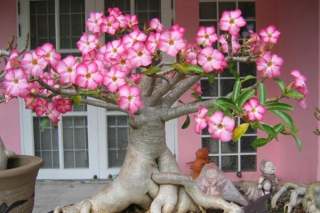
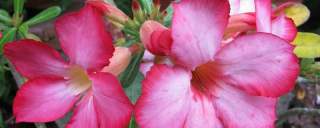
This is the most common reason for my leaf-dropping protest. My thick, bulbous caudex is designed to store water for long periods, making me exceptionally drought-tolerant. When you water me too frequently, the soil becomes waterlogged. My roots, which need to breathe, suffocate and begin to rot. Once root rot sets in, they can no longer absorb water or nutrients, and my first reaction is to abandon my leaves to conserve energy and moisture. Conversely, if you neglect me for too long, my internal water reserves will eventually deplete. To survive, I will sacrifice leaves to reduce water loss through transpiration. The leaves often turn yellow and feel crispy before falling off if I'm underwatered, while overwatered leaves might turn yellow and feel soft or mushy.
I am a sun-child, a true native of arid, warm climates. I thrive in temperatures between 65°F and 90°F (18°C and 32°C). When the temperature drops below 50°F (10°C), I experience significant stress. Cold drafts from a window, a sudden drop in nighttime temperatures, or being placed near an air conditioning vent can trigger a defensive mechanism. To protect my vital core—the caudex and roots—I will drop my leaves. This is a survival tactic, as maintaining leaves in the cold is energetically costly and risky. If you notice leaf drop coinciding with a cold snap or a change in location to a cooler spot, temperature is likely the culprit.
Do not be alarmed if I begin to lose leaves during the late fall or winter. This is a perfectly normal part of my annual cycle. As daylight hours shorten and temperatures cool, even indoors, I sense the seasonal change. I enter a period of dormancy to conserve energy. During this time, my growth slows or stops completely, and I will often drop a significant number of, or even all, of my leaves. This is not a sign of illness but of a natural slowdown. You should respond by drastically reducing watering, just providing enough to keep my caudex from shriveling, and withholding fertilizer until I show signs of new growth in the spring.
Any significant change in my environment can cause me stress, leading to leaf drop. If you have recently brought me home from the nursery, repotted me, or simply moved me to a different spot in your home, I need time to adjust. Changes in light intensity, humidity, and air circulation require me to adapt. My response to this relocation stress is often to shed some leaves. This allows me to reallocate resources to establishing new roots or acclimating to the new light levels. As long as my other conditions are correct, I should stop dropping leaves and put out new growth once I have settled in.
While I am not a heavy feeder, I do require some nutrients, especially during my active growing season (spring and summer). A severe lack of nutrients, particularly nitrogen, can cause older leaves to yellow and drop as I move the limited nutrients to support new growth. On the other hand, over-fertilizing is a more common and dangerous problem. A buildup of mineral salts in the soil can "burn" my roots, damaging their ability to function and ultimately causing leaf drop. Always fertilize me with a diluted, balanced fertilizer and only during periods of active growth.
Although I am relatively resilient, I can fall victim to pests like spider mites, mealybugs, and scale insects. These tiny creatures suck the sap from my leaves and stems, weakening me and causing leaves to yellow, curl, and drop. Regularly inspect the undersides of my leaves and the stem joints. Fungal diseases, often encouraged by overly humid conditions or water on the foliage, can also cause leaf spotting and drop. Ensuring good air circulation around me and avoiding wetting my leaves when watering are key preventive measures.