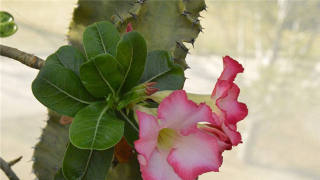
The Desert Rose, scientifically known as Adenium obesum, is a striking succulent plant prized for its thick, swollen caudex (water-storing trunk) and vibrant, trumpet-shaped flowers. Native to arid regions of Africa and the Arabian Peninsula, it has become a popular ornamental plant in gardens and homes worldwide due to its drought tolerance and exotic appearance. From a botanical perspective, its ability to thrive in harsh, dry conditions is linked to its succulent nature and, importantly, to the chemical defenses it has evolved.
The primary reason the Desert Rose is poisonous lies in its production of a potent class of chemical compounds known as cardiac glycosides. These compounds are not unique to Adenium; they are found in several other well-known plants, such as Foxglove (Digitalis purpurea) and Oleander (Nerium oleander). The plant synthesizes these toxins as a natural defense mechanism against herbivores. The milky white sap (latex) that exudes from any cut or broken part of the plant—the stems, leaves, and roots—contains a high concentration of these glycosides, with the highest levels typically found in the sap.
When ingested by a pet, such as a dog or cat, these cardiac glycosides have a direct and dangerous effect on the heart. The compounds interfere with the sodium-potassium pump in the cells of the heart muscle. This disruption leads to an increase in the intracellular concentration of calcium. The physiological result is a stronger, but dangerously irregular, heartbeat (arrhythmias). Essentially, the toxin causes the heart to beat erratically and inefficiently, which can severely compromise blood circulation and lead to cardiac failure. Even a small amount of plant material can be toxic due to the high potency of these compounds.
All parts of the Desert Rose plant are considered toxic. However, the sap is particularly concentrated. The bitter taste of the plant often deters pets from consuming large quantities, but curious chewing or biting can lead to poisoning. Symptoms of Desert Rose poisoning in pets can appear within hours of ingestion and may include gastrointestinal distress such as vomiting, diarrhea, and drooling. The more severe, cardiac-related symptoms include lethargy, weakness, irregular heartbeat, dilated pupils, and even tremors or seizures. In severe cases, ingestion can be fatal.
If you suspect your pet has ingested any part of a Desert Rose plant, it is a medical emergency. You should contact your veterinarian or an animal poison control center immediately. Do not induce vomiting unless specifically instructed to do so by a professional, as this can sometimes cause additional harm. Treatment is primarily supportive and may include administering activated charcoal to prevent further absorption of the toxins, intravenous fluids to support cardiovascular function, and medications to stabilize the heart rhythm. The prognosis depends on the amount ingested and the speed of treatment.
Given the significant toxicity of the Desert Rose, pet owners should exercise extreme caution. The safest approach is to not keep this plant in a home with curious pets that may chew on plants. If you choose to have one, it must be placed in an completely inaccessible location, such as a high shelf in a room the pet cannot enter. Be vigilant about promptly cleaning up any fallen leaves or clippings, as these also contain the toxic sap. Considering the plant's potent defense mechanism, opting for pet-safe houseplants is a much safer alternative for households with animals.