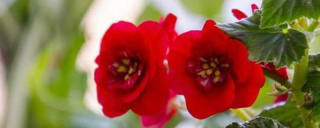
From my perspective as a Begonia, the single most critical factor in preventing root rot is achieving the perfect moisture balance in my soil. My roots are not aquatic; they require both water and air to function. When water completely fills the pores in the soil, it creates an anaerobic (oxygen-deprived) environment. In this state, my roots begin to suffocate and cannot respirate or absorb nutrients effectively. They become weak, stressed, and turn soft and brown, making them susceptible to attack by ever-present soil-borne pathogens like Pythium and Phytophthora, which are the primary agents of rot. The goal is not to live in a desert, but to enjoy a consistent, moist environment that allows for brief periods of aeration between waterings.
My survival depends heavily on the quality of my potting mix. A dense, heavy soil, such as standard garden soil or a cheap potting mix that compacts easily, is a death sentence for me. It retains water like a sponge, trapping it around my delicate root system. I thrive in a light, airy, and porous substrate. A perfect mix for me would be a base of high-quality potting soil amended with generous amounts of materials like perlite, orchid bark, coco coir, or coarse horticultural sand. These ingredients create large air pockets within the soil, ensuring excess water drains away quickly while still retaining enough moisture for my needs. This well-structured home allows my roots to breathe freely and grow strong, forming a healthy network that is resistant to decay.
Even with the perfect soil, if I am planted in a container without a drainage hole, I am essentially sitting in a bathtub. Every drop of water you give me has nowhere to go. It pools at the bottom of the pot, waterlogging the lower portion of my root ball and creating a perfect breeding ground for rot. Therefore, it is non-negotiable that my pot must have at least one adequate drainage hole at the bottom. After watering, I need you to ensure that any water that flows out into the saucer or cache pot is discarded promptly. I should never be allowed to sit in standing water. Furthermore, the size of my pot is crucial. A pot that is too large for my current root system holds a greater volume of soil, which takes much longer to dry out. This prolonged wetness around my small root mass is a significant risk factor for rot.
Please do not water me on a rigid schedule. My water consumption varies with changes in light, temperature, humidity, and my growth cycle. The most reliable way to know if I am thirsty is to check the soil moisture directly. I would prefer it if you inserted your finger about an inch or two into the soil near my base. If the soil feels dry to the touch at that depth, then it is a safe time to water me. Alternatively, you could lift my pot; a light pot indicates a need for water. When you do water, please do so thoroughly. Water should be applied evenly across the soil surface until it begins to run freely out of the drainage hole. This ensures the entire root ball is moistened. Then, allow the top portion of the soil to dry out before the next watering. This cycle of thorough watering followed by a period of drying provides the ideal wet-dry rhythm that keeps my roots healthy.
Finally, my overall vitality is my best defense. A stressed Begonia is a vulnerable Begonia. Ensure I receive the appropriate amount of bright, indirect light, as low light slows my growth and water usage. Protect me from extreme temperature fluctuations and drafts. Regularly inspect my foliage and stems. Yellowing leaves, especially lower ones, can be an early warning sign of overwatering and potential root distress. If you suspect a problem, gently remove me from my pot and examine my roots. Healthy roots are firm and white or tan. Soft, mushy, dark brown or black roots that have a foul odor indicate rot. Catching this early allows for intervention, such as trimming away the affected roots and repotting me into fresh, dry soil, giving me a chance to recover.