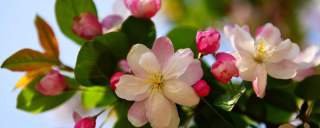
The most fundamental distinction between tuberous and fibrous Begonias lies in their root structures, which dictate their growth habits and life cycles. Tuberous Begonias (Begonia × tuberhybrida) develop a modified underground storage stem known as a tuber. This tuber is a rounded, fleshy organ that stores water and nutrients, allowing the plant to survive periods of dormancy, typically during the winter. The plant's annual growth emerges from the eyes (buds) on the top surface of this tuber each spring.
In contrast, fibrous Begonias possess a more conventional, thread-like root system. The term "fibrous" is a broad category that includes common wax Begonias (Begonia × semperflorens-cultorum) and cane-like Begonias (e.g., Angel Wing Begonias). These roots are fine, branching, and do not form a large storage organ. Consequently, fibrous Begonias are typically grown as annuals or tender perennials that maintain some foliage year-round if kept in favorable conditions, lacking a true dormant period.
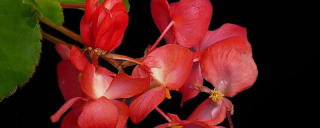
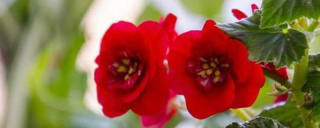
The difference in root systems directly influences the overall growth form of the plants. Tuberous Begonias often have a more dramatic, upright or cascading habit. They produce large, succulent stems that are somewhat brittle. Many varieties are grown for their spectacular, often double flowers that can resemble camellias or roses. They are frequently used in containers, hanging baskets, or as bedding plants where their showy, large blooms can be a focal point.
Fibrous Begonias, particularly the wax Begonia types, exhibit a compact, mounding growth habit with dense, fleshy leaves. Their stems are more slender and wiry compared to tuberous types. While they flower prolifically, their individual blooms are generally smaller and simpler, though they are produced continuously throughout the growing season. Cane-stemmed fibrous Begonias, on the other hand, have jointed, bamboo-like stems and can grow quite tall, with leaves and flower clusters that hang down.
While both types can have attractive leaves, the foliage of tuberous Begonias is often secondary to the flowers. The leaves are typically asymmetrical (a hallmark of the Begonia genus), heart-shaped, and can be hairy or textured, but they are generally not the primary reason for cultivation.
Fibrous Begonias, however, include many cultivars prized specifically for their foliage. Wax Begonias have glossy, rounded leaves that come in shades of green, bronze, or variegated. More dramatically, the Rex Begonias (a subgroup of fibrous-rooted, rhizomatous Begonias) are almost exclusively grown for their stunningly colorful, textured, and patterned leaves, which display a vast array of metallic shades, spirals, and intricate designs, often with their flowers being relatively insignificant.
The flowers present a clear point of differentiation. Tuberous Begonias are renowned for their immense and often double flowers, which can reach sizes of 6-8 inches (15-20 cm) or more in diameter. They come in a wide spectrum of vibrant colors except for blue. A unique feature is that tuberous Begonia plants are monoecious, meaning they produce separate male and female flowers on the same plant. The showy, double blooms are almost always male flowers, while the single flowers, often with a winged seed pod (ovary) behind the petals, are female.
Fibrous Begonias, like wax Begonias, produce clusters of small, flat, four-petaled flowers. Their appeal lies in the sheer abundance of blooms that cover the plant from spring until frost. The flowers are typically single, though double forms exist, and they come in white, pink, or red shades. Unlike tuberous Begonias, the male and female flower parts are usually contained within the same flower (perfect flowers).
Tuberous Begonias have specific cultural requirements. They prefer bright, indirect light and are sensitive to intense afternoon sun, which can scorch their leaves and flowers. They demand consistently moist but exceptionally well-drained soil, as their tubers are prone to rot in waterlogged conditions. As daylight shortens in late summer and autumn, they naturally begin to senesce, signaling the time to lift the tubers for winter storage in a cool, frost-free place.
Fibrous Begonias, especially wax Begonias, are notably more adaptable and low-maintenance. They tolerate a wider range of light conditions, from full shade to full sun (with sun tolerance being higher for bronze-leaved varieties). They are more drought-tolerant than tuberous types and are generally grown as seasonal annuals, though they can be brought indoors as houseplants during winter in colder climates.