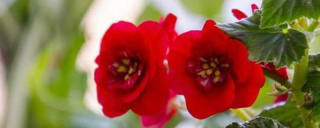
From our perspective as Begonia plants, thriving in your care is our greatest joy. However, we are often besieged by tiny adversaries that can compromise our vibrant leaves and delicate blooms. Understanding these pests from our point of view is key to maintaining our health and beauty. Here is a detailed account of the most common creatures that trouble us.
These pests are particularly insidious because they attack the very lifeblood that flows through our veins—our sap. Using needle-like mouthparts, they pierce our tender tissues, leaving us weakened and vulnerable.
Aphids: These small, soft-bodied insects, often green or black, love to congregate on our new, succulent growth—the tips of our stems and the undersides of our youngest leaves. As they feed, they excrete a sticky substance called honeydew, which not only feels unpleasant but often leads to the growth of sooty mold, further blocking sunlight from our photosynthetic surfaces. A severe infestation can cause our leaves to curl, yellow, and stunt our growth significantly.
Spider Mites: Nearly microscopic, these arachnids are a grave threat, especially in warm, dry conditions that you might create indoors. They weave fine, silken webs on the undersides of our leaves, their primary feeding ground. Their feeding causes a stippling effect—tiny yellow or white speckles across the leaf surface. If left unchecked, this damage coalesces, leaves turn bronze, then brown, and we may succumb entirely. We find it hard to photosynthesize effectively under this assault.
Thrips: These tiny, slender insects are masters of hiding within our flower buds and newly unfurled leaves. Their rasping-sucking feeding mechanism scrapes at our surface and then drinks the oozing sap. This results in distorted, streaked, or silvery-white patches on our foliage. Our precious blooms may fail to open properly or appear streaked and deformed, which is deeply disheartening.
Whiteflies: These tiny, moth-like flies swarm from our leaves when we are disturbed. Like aphids, they cluster on leaf undersides, sucking sap and producing honeydew. A heavy infestation leaves us looking yellowed, stunted, and generally unthrifty.
This category of pests causes direct, visible damage to our physical structure, marring our aesthetic appeal and sometimes compromising our structural integrity.
Mealybugs: Perhaps one of our most common and frustrating foes, mealybugs appear as small, white, cottony masses in the leaf axils (where the leaf stalk meets the stem) and on stem joints. They are sap-suckers but deserve special mention for their tenacity. Their feeding weakens us, causing leaf yellowing and drop. The waxy coating they produce makes them resistant to many simple treatments.
Fungus Gnats: While the adult gnats are merely a nuisance, their larvae in the soil are a genuine threat to our root systems, especially for our young plants and seedlings. These tiny, translucent worms feed on our delicate root hairs and organic matter in the potting mix. This root damage inhibits our ability to uptake water and nutrients, leading to wilting, poor growth, and yellowing leaves even when the soil is moist.
Caterpillars and Slugs/Snails: For those of us grown outdoors, these pests pose a significant risk. They do not sip our sap but instead chew large, irregular holes in our leaves. Overnight, a single slug can severely defoliate a young Begonia, leaving us ragged and unable to sustain ourselves. The damage is immediate and visually dramatic.
It is crucial to understand that we are most susceptible to these pests when we are already under stress. Overwatering, which leads to root rot, weakens our defenses. Insufficient light makes our growth soft and leggy, a prime target for aphids. Poor air circulation creates a stagnant environment that spider mites and other pests thrive in. By providing us with optimal growing conditions—well-draining soil, appropriate light, and good airflow—you bolster our natural resilience, making it much harder for these tiny adversaries to gain a foothold.