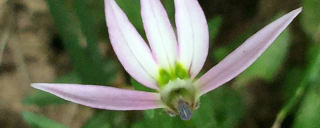
From my perspective as a Begonia, blooming is not merely an ornamental display for you; it is the culmination of my energy, health, and satisfaction with my environment. To produce an abundance of flowers, I must first feel secure and thriving. This begins with my basic needs. I require a well-draining potting mix that holds moisture without becoming waterlogged, as my roots are susceptible to rot. A mix designed for African Violets, often containing peat moss, perlite, and vermiculite, is usually ideal. When my roots are healthy and have room to breathe, they can efficiently absorb the water and nutrients required to support the significant energy expenditure of flowering. A pot that is too large can lead to soggy soil, while a pot that is too small will constrict my roots and cause me stress, diverting energy away from bloom production.
Light is my food. Through photosynthesis, I convert light energy into the sugars that power all my functions, including the creation of flowers. However, the type and amount of light are critical. Direct, harsh afternoon sun can scorch my leaves, causing brown, crispy spots and significant stress. Conversely, deep shade will cause me to become leggy as I stretch weakly towards any light source, with few to no blooms. My ideal condition is bright, indirect light. A spot near an east-facing window where I can bask in the gentle morning sun is perfect. A north-facing window can also work well. If I am placed by a south or west window, a sheer curtain to diffuse the intense light is essential. When I receive the correct light, my leaves will be a vibrant, healthy color, and I will have the fuel needed to initiate and sustain a prolific bloom cycle.
While light provides energy, I need specific nutrients to actually construct my flowers. A balanced, water-soluble fertilizer applied during my active growing season (spring and summer) is beneficial. However, to specifically encourage blooming, I require a fertilizer with a higher phosphorus content. Phosphorus is the middle number in the N-P-K ratio listed on fertilizer packages (e.g., 15-30-15). This nutrient is vital for promoting root development and, most importantly, flower bud formation. It's crucial not to over-fertilize me, as a buildup of salts can damage my roots and hinder bloom production. A half-strength dose every two to four weeks during the growing season is typically sufficient. In the winter, when my growth slows, you should reduce or cease feeding altogether to allow me to rest.
My energy is a finite resource. If I am allowed to hold onto spent, fading flowers (a process called "deadheading"), I will waste energy trying to sustain a part of me that is no longer productive. By carefully pinching or snipping off these old blooms just below the flower head, you redirect my energy back into producing new flower buds. Furthermore, occasional pruning of leggy or overgrown stems helps maintain a compact, bushy shape. A bushier plant has more growing tips, and each tip is a potential site for a new flower cluster. Pruning also improves air circulation around my leaves, reducing the risk of fungal diseases like powdery mildew, which can weaken me and reduce my ability to flower.
My flowering cycle is influenced by my surroundings. Most Begonias prefer consistent, moderate temperatures without drastic fluctuations. Sudden cold drafts or blasts of heat from vents can cause bud drop. Adequate humidity is also key; dry air can cause my leaf edges to brown and my flower buds to abort. Placing my pot on a pebble tray filled with water can help increase local humidity. Finally, many Begonia varieties, particularly tuberous types, require a dormant period. After a season of vigorous growth and flowering, I may need a rest. This often involves reducing water and moving me to a cooler location for a few months. This period of rest is essential for me to gather strength for the next spectacular bloom cycle.