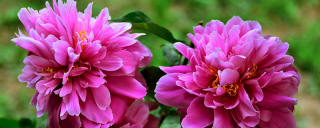
From the plant's perspective, the timing of the cut is the single most important factor for vase longevity. The goal is to harvest the stem after it has sufficiently developed to continue its life cycle independently, but before it expends excessive energy and enters a rapid decline. Cutting a peony when the bud is too tight, resembling a hard marshmallow, is a common mistake. At this stage, the bud may not have developed the necessary hormonal signals or carbohydrate reserves to successfully open in a vase, leading to wilting before full bloom. Conversely, cutting a flower that is already fully open means it has already begun the senescence process on the plant, and its vase life will be significantly shortened.
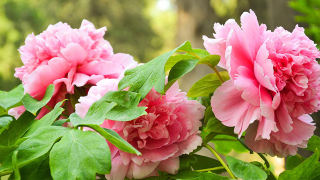
The ideal stage is when the bud has softened and started to show color, often described as the "soft marshmallow" stage. Gently squeeze the bud; it should have a little give. You may see the first hints of the petals' true color unfurling from the green sepals. At this precise point, the flower has accumulated maximum resources from the plant and is hormonally primed to open. By cutting now, you are capturing the bud at its peak potential, allowing it to complete its magnificent unfurling for your enjoyment indoors.
How you make the cut is a direct communication with the plant's vascular system. A clean, precise cut is essential for the stem's ability to take up water. Using dull or dirty shears crushes the vascular bundles (the xylem vessels) at the cut site, creating a physical barrier that impedes water flow and introduces opportunities for bacterial infection. Always use sharp, clean pruning shears or a knife.
Make the cut on a 45-degree angle. This is not arbitrary from the plant's viewpoint. A slanted cut exposes a larger surface area of the vascular system to the water in the vase, maximizing hydration potential. It also prevents the stem from sitting flat on the bottom of the vase, which would seal the cut and block water uptake. Cut the stem to your desired length, but always do so just above an outward-facing leaf node or set of leaves on the parent plant. This encourages the plant to produce new, healthy growth from that node, benefiting the overall health of your peony clump for future seasons.
The moments after cutting are critical. Once severed from the plant, the flower stem begins to experience water stress. The plant's roots are no longer supplying a constant, pressurized flow of water and nutrients. Your immediate action must replicate this support system as closely as possible. Have a bucket of clean, lukewarm water ready and place the cut stems directly into it without delay. Lukewarm water is more readily absorbed than ice-cold water, which can shock the tissues.
Before arranging, you must remove any leaves that will fall below the waterline in the vase. This is a non-negotiable step for plant health. Submerged leaves will quickly decompose, releasing ethylene gas (a ripening hormone) and fostering rampant bacterial growth. These bacteria will colonize the cut end of the stem, forming a biofilm that clogs the xylem, effectively strangling the flower. By stripping these leaves, you are creating a clean, sterile environment for the stem, drastically extending its functional life.
For an extra boost, you can "condition" the peonies after cutting. This process involves placing the entire stems, leaves and all, deep into a bucket of cool water for a few hours or overnight in a cool, dark place. This allows the flowers to fully hydrate and acclimate to being off the plant before facing the stress of a brightly lit room. The cool, dark environment slows down their metabolism, conserving their energy.
Finally, when arranging, choose a clean vase and fill it with fresh, cool water, perhaps with a packet of flower food. Flower food provides carbohydrates (to replace what the plant would have produced) and biocides to suppress bacteria. Place the vase in a cool spot away from direct sunlight, drafts, and ripening fruit (which emits ethylene gas). By understanding and respecting the peony's biological needs from the moment of cutting, you can successfully persuade it to continue its beautiful life cycle inside your home.