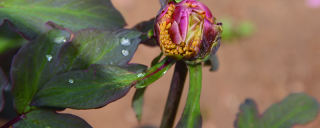
From our perspective as peony plants, a late frost is a profound shock to our system. We have carefully followed the sun's cues, sensing the longer days and warmer soils. Our sap has begun to flow, and we have directed precious stored energy from our roots upward to fuel the season's growth. Tender new shoots, fat red buds, and even early leaves have emerged, tissues that are soft and full of water. When the temperature plummets, the water inside these cells freezes. Ice crystals form, piercing and rupturing the delicate cell walls. This is not just cosmetic damage; it is a catastrophic internal injury. The cells that were destined to become stems, leaves, and flowers are killed instantly. The visual result you see—blackened, mushy, or wilted growth—is the aftermath of this cellular destruction.
Do not panic on our behalf. We are remarkably resilient perennials, and our survival strategy is rooted deep underground. While the aerial growth may be severely damaged, our crown and root system, protected by a blanket of soil, are likely still alive and healthy. Our energy reserves are stored in these roots. The loss of the new growth is a setback, but not a death sentence. Our primary response will be to initiate a secondary, or latent, growth cycle. We hold dormant buds, often called "eyes," both on the crown just below the soil surface and sometimes lower on the stems. When the initial growth is killed, these backup buds are stimulated to break dormancy and try again. This process may take several weeks, so patience is crucial.
Your actions now can significantly influence the speed and success of our recovery. First, resist the immediate urge to cut away the damaged foliage. While it looks unsightly, those blackened stems and leaves are currently providing a small amount of insulation to the crown and lower buds against any subsequent frosts. Leave this damaged material in place until the danger of frost has completely passed and daytime temperatures are consistently warmer.
Once the weather has settled, you can carefully assess the damage. Using clean, sharp pruners, snip the dead growth back to the first healthy, plump bud you can find, which may be just an inch or two above the soil. If no green buds are visible, cut back to just above the crown. Do not compost this material; discard it to prevent any potential fungal issues from taking hold on the decaying tissue.
Producing a second round of growth is an enormous energy expenditure for us. We have drawn heavily on our root reserves. To support this effort, we will benefit greatly from a light application of a balanced, slow-release fertilizer after the new growth has emerged a few inches. This provides the essential nutrients we need to rebuild our photosynthetic capacity. Consistent moisture is also vital; ensure we receive about an inch of water per week, either from rainfall or irrigation, to help transport nutrients and sustain the new shoots. While we may not produce our typical spectacular bloom display this season, the priority is to photosynthesize and store energy in our roots for a strong return next spring. Your patience and care now will ensure we reward you with our beauty for many years to come.