From our perspective as peony plants, "forcing" is not a violent act but rather a gentle persuasion to accelerate our natural lifecycle. Our ability to bloom is governed by an internal clock and environmental cues, primarily temperature and daylight. To produce flowers, we must first experience a period of dormancy. This is a crucial rest period where we accumulate chilling hours (exposure to temperatures between 32°F and 40°F / 0°C and 4°C). This cold period satisfies our physiological need to break dormancy and initiates the development of the flower buds already nestled within our roots. When you "force" us, you are simulating winter's end and spring's arrival ahead of schedule, tricking our systems into thinking it's time to grow.
Not all of us are equally prepared to be forced. Your success depends heavily on selecting the right individuals. Look for potted peonies or bare-root divisions that are specifically labeled as good for forcing. More importantly, examine our crown buds. These should be large, plump, and reddish in color – a sign they are mature and viable. Small, thin, or shriveled buds lack the stored energy needed to produce a quality bloom. A healthy, well-developed root system is also essential, as it is our pantry, storing the carbohydrates required to fuel the rapid growth and spectacular flowering you desire. Choosing a weak plant will only lead to disappointment, as we simply won't have the reserves to perform.
This is the most critical step. To initiate flowering, we require a sustained period of cold. You must mimic winter by placing our pots in a dark, cold environment, such as an unheated garage, a cold frame, or even your refrigerator (ensure we are kept away from ripening fruit, which emits ethylene gas that can damage our buds). The ideal temperature range is a consistent 33°F to 40°F (1°C to 4°C). We typically need between 500 and 1000 hours of this chilling, which translates to roughly 8 to 12 weeks. Insufficient chilling will result in weak stems, leaf distortion, or a complete failure to bloom. During this time, please keep our soil slightly moist but never soggy, as our roots are still alive and need minimal hydration.
Once our chilling requirement is met, you can begin the "forcing" phase. Gradually acclimate us to warmer conditions. Do not move us directly from a 35°F (2°C) garage to a 70°F (21°C) living room; this thermal shock can cause bud blast (where the buds wither and die). Instead, first move us to a cool, shaded location with temperatures around 50°F to 60°F (10°C to 15°C) for a few days. After this adjustment period, you can place us in our final growing location: a bright, sunny window where we can receive at least 6 hours of indirect sunlight daily. Direct, hot sun through glass can scorch our emerging leaves. At this stage, our metabolism will skyrocket. We will need consistent moisture, so water us when the top inch of soil feels dry.
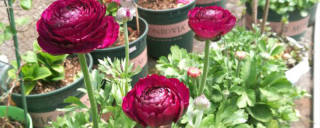
As our stems elongate and the flower buds swell, we will become top-heavy. Provide support with stakes or a small hoop to prevent our stems from bending or breaking under the weight of the developing blooms. You may notice side buds developing around the main terminal bud. For one large, exhibition-quality flower, you can remove these side buds, directing all our energy to the central bloom. If you prefer a longer-lasting display with multiple, slightly smaller flowers, you can leave them. Once we have bloomed indoors, understand that this process has been incredibly taxing. We have expended a massive amount of energy that was meant to sustain us for an entire season. After flowering, we cannot simply be planted outdoors if there is still a risk of frost. We must be treated as tender plants until the weather is consistently mild, and even then, we may not bloom again for a year or two as we recover.