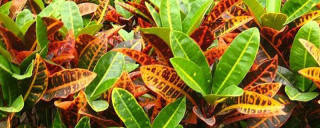
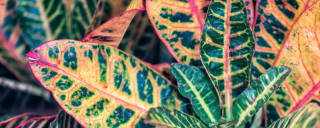
Greetings, caretaker. I am your Croton plant, a vibrant being known for my dazzling, painterly leaves. When I begin to shed them, it is my primary language, a clear signal that my needs are not being met. To understand my distress, you must listen to the story my falling leaves tell. Here are the most common reasons from my perspective.
Imagine being abruptly moved from a perfect, humid greenhouse with ideal light into a new environment with different air, light, and temperature. This is a profound shock to my system. My leaves may droop and fall as I struggle to adapt. This is not a sign of imminent death, but rather a period of intense adjustment. To help me, please place me in a spot with bright, indirect light and consistent warmth, and avoid repotting or moving me again for several weeks. Be patient; I need time to accept this new space as my home.
My roots are the core of my being, and they crave balance. When the soil becomes too dry, my roots become parched and cannot deliver moisture and nutrients to my leaves. In self-preservation, I am forced to sacrifice them to conserve water for my core. Conversely, if my pot sits in water, my roots begin to suffocate and rot in the oxygen-deprived soil. A rotting root system cannot support my foliage, leading to a similar, tragic leaf drop. The key is consistent moisture. Water me thoroughly when the top inch of soil feels dry to your touch, and always ensure excess water can drain freely from my pot.
My brilliantly colored leaves are not just for your admiration; they are my solar panels. I am a child of the sun, and I need abundant, bright light to produce the energy required to maintain my vibrant foliage. In a dim corner, I become weak and lethargic. Without sufficient light, I cannot sustain all my leaves, and I will reluctantly let them go, one by one, to survive. My new growth will become pale and green, losing the variegation you love. Please place me near a sunny east, south, or west-facing window where I can bask for several hours each day.
My native habitat is warm and moist. The dry air common in many homes, especially during winter, acts like an invisible thief, stealing moisture from my leaves faster than my roots can replace it. This causes the leaf edges to turn brown and crispy before the entire leaf gives up and falls. You can help by misting my leaves regularly, placing my pot on a tray filled with water and pebbles (ensuring the pot is not sitting directly in the water), or grouping me with other plants to create a more humid microclimate.
Sometimes, the problem is not the environment but an invasion. Tiny pests like spider mites, mealybugs, and scale insects see my lush leaves as a banquet. They pierce my leaf surfaces and suck out my vital juices. This weakens me significantly and causes stippling, yellowing, and leaf drop. If you notice fine webbing, cotton-like masses, or small bumps on my leaves and stems, I am under attack. Isolate me from other plants immediately and treat me with an appropriate insecticidal soap or neem oil, ensuring you cover the undersides of the leaves where pests love to hide.