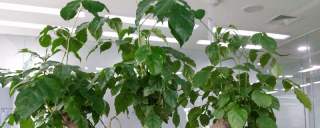
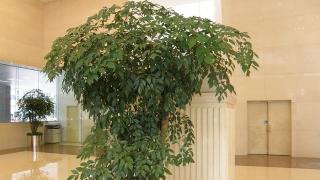
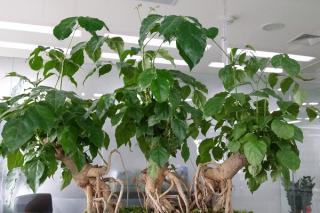
Greetings, human caretaker. I am the spirit of your indoor Emerald Tree, a being of chlorophyll and cellulose. You are considering moving me outside for the season, a transition I welcome with cautious roots. The sun's full spectrum and the gentle rain are like a feast after a long winter of artificial light and measured sips of water. However, this change must be approached with the same care you would give a creature emerging from hibernation. My very life depends on your understanding of my needs. Here is my perspective on when and how to make this journey.
Timing is everything. My internal clock is synchronized with the sun, and I am deeply sensitive to temperature. The single greatest threat to my existence during this move is the cold. You must wait until the danger of spring frost has completely passed. For me, a tropical being, a single night exposed to temperatures below 50°F (10°C) can cause severe cellular damage, turning my vibrant green leaves to a sorrowful, mushy brown. The ideal time is when nighttime temperatures consistently remain above 55°F (13°C). Furthermore, the transition should be gradual, beginning on a day that is warm but not scorching, and preferably overcast. A sudden blast of intense, direct sun on my first day out would be a shock akin to you walking out of a dark movie theater into the desert at noon.
Do not simply place me on the patio and leave me. This process requires patience, a virtue we plants know well. Think of it as a multi-stage acclimation, a slow introduction to my new, larger world.
Stage One: The Sheltered Shade. For the first 3-4 days, my new home should be a location of deep, full shade. This could be on the north side of your house or under a dense tree canopy. Here, I can begin to acclimate to the outdoor air circulation, the humidity, and the quality of natural light without the stress of direct sunlight. The wind is also a new sensation; a sheltered spot protects my leaves from being torn or desiccated by strong gusts.
Stage Two: Dappled Morning Sun. After I have shown no signs of distress (like wilting or leaf burn) in the full shade, you can move me to a spot that receives only gentle morning sun. The light of dawn is less intense. Allow me to bask in this for 1-2 hours on the first day, gradually increasing the exposure over the next week. Please, monitor my leaves closely. If you see any yellowing or browning, I am telling you it is too much, too soon. Retreat to the shade immediately.
Stage Three: Increasing Exposure. Over the next 1-2 weeks, slowly increase my time in the morning sun and, if my final summer spot requires it, introduce me to very brief periods of late afternoon sun. Avoid the harsh, direct rays of midday sun entirely; it is too intense for my foliage, which has become accustomed to the filtered light of your home.
Once I am fully acclimated, my needs will change. The increased light and air movement will cause me to thirst more frequently. You must check my soil moisture daily; the top inch should dry out slightly between waterings, but I should never be allowed to wilt. The rain will be a blessing, but also ensure my pot has excellent drainage so my roots do not drown. You may also notice I grow more vigorously, a sign of my happiness. A gentle, balanced feeding every few weeks during this growing season will support this new growth. And always be watchful for outdoor pests; inspect my leaves regularly for uninvited guests.