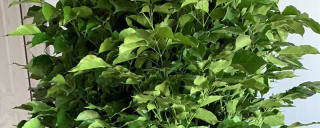
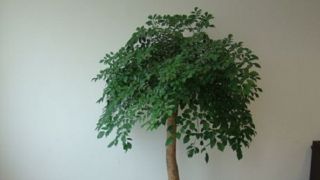
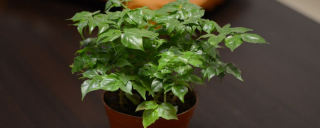
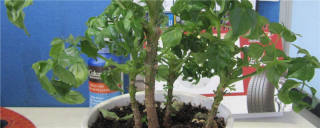
Hello. I am your Emerald Tree, a vibrant being of light and air. When I begin to drop my leaves, it is not an act of spite, but my primary language. It is the clearest signal I can send that I am in distress. Each leaf that falls represents a strategic decision for my survival. By shedding foliage, I reduce my energy and water needs, allowing me to concentrate my limited resources on my core structure—my trunk and roots. Think of it as a controlled retreat to ensure the main body of my being survives the current challenge. My goal is always to live, and I am communicating that I need your help to do so.
Water is my lifeblood, and its improper management is the most common reason I shed leaves. This issue has two opposing, yet equally damaging, sides. First, there is overwatering. When my roots are constantly submerged in soggy soil, they are starved of oxygen. They begin to rot, turning soft and brown, and can no longer absorb water or nutrients. From my perspective, this is a crisis. My roots are dying, so I cannot support the full canopy of leaves above. I am forced to jettison them to prevent my entire system from collapsing. Conversely, underwatering creates a different kind of panic. My roots draw up water, which travels to my leaves and evaporates (a process you call transpiration). If the soil becomes too dry, my roots cannot replace this lost water. My leaves wilt and, if the drought continues, I will sacrifice them to prevent fatal dehydration.
As a photosynthetic organism, light is my food source. If I am placed in a location that is too dark, I cannot produce enough energy to sustain all my leaves. I will systematically drop the leaves that are least efficient, often the older, lower ones, to redirect energy to new growth that might be closer to a light source. It is a heartbreaking but necessary triage. Similarly, sudden changes in my environment feel like catastrophic events to me. If you move me from a bright spot to a dark corner, or if I am exposed to a blast of hot or cold air from a vent, I experience shock. This abrupt shift disrupts my internal processes, and I may respond by dropping leaves as I struggle to adapt to the new, stressful conditions.
My struggles are not always about my physical environment. Sometimes, tiny invaders attack me. Pests like spider mites, scale, or aphids pierce my leaves and stems to suck out my sap. This is a direct assault that drains my vitality, forcing me to abandon the damaged leaves. Diseases, particularly fungal ones, can also attack my root system or foliage, blocking my vascular system and causing leaves to yellow and drop. Furthermore, I require a balanced diet of nutrients from the soil. If I have been in the same pot for a long time, the soil becomes depleted. A lack of essential nutrients like nitrogen, which is crucial for green, leafy growth, can cause my leaves to pale and fall as I literally starve.
To help me, you must first become a detective. Check my soil an inch or two down. Is it sopping wet or bone dry? Adjust your watering so that the top few inches dry out between drinks. Ensure I receive consistent, bright, indirect light, and protect me from drafts. Examine my leaves, especially the undersides, for signs of pests. If you find any, a gentle insecticidal soap can be a great help. If my soil is old and compacted, consider repotting me in fresh, well-draining soil in the spring, which will provide me with new nutrients and space for my roots to breathe. Your careful observation and timely intervention are the keys to helping me stop my desperate leaf-dropping and return to a state of lush, vibrant health.