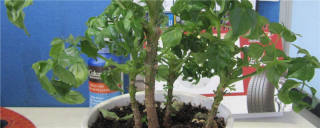
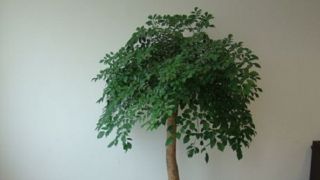
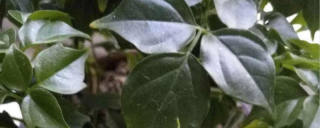
From my perspective as an emerald houseplant, those brown, crispy leaf tips you're seeing are a desperate signal. They are the final point on my leaves where water and dissolved minerals travel. When something disrupts the delicate balance of moisture within my system, this is where the damage becomes visible. The primary issue almost always relates to water management—either a lack of consistent hydration or a toxic buildup of salts from the water and fertilizer you provide. My roots are designed to absorb water and send it up through my veins to every leaf. If that process is interrupted, the leaf tips, being the most distant and vulnerable parts, suffer first.
When you forget to water me, the soil in my pot becomes dry and almost repels water. My fine, hair-like roots, which are responsible for most of the drinking, begin to shrivel and die back. Even when you finally water me, my reduced root system cannot absorb enough moisture to supply the entire plant. Water is pulled from the stored reserves in my leaves, but the tips, being the furthest point, dry out completely, causing the cells to die and turn brown. Similarly, the air in your home can be incredibly dry, especially with heating or air conditioning. I naturally thrive in humid environments. Dry air pulls moisture directly from my leaves through transpiration faster than my roots can replace it, leading to the same desiccated, brown tips.
Paradoxically, your kindness can also harm me. If you water me too frequently or my pot lacks drainage, my roots are forced to sit in saturated soil. In this waterlogged environment, the air pockets in the soil disappear. My roots need oxygen to breathe and function. Without oxygen, they begin to rot, turning soft, brown, and mushy. A rotting root system is as ineffective as a dried-out one—it cannot transport water to my leaves. Therefore, even though the soil is wet, my leaves experience a drought, and the tips begin to brown as if I were thirsty. This is a particularly confusing situation for you, as the soil feels moist, but I am showing signs of dehydration.
I appreciate the nutrients in fertilizer, but I can only absorb a limited amount at a time. When you apply too much fertilizer, or you do not flush the soil periodically, excess salts accumulate in the potting mix. This creates a high-salinity environment around my roots. Physically, it makes it harder for me to absorb water, similar to how you can't quench your thirst with seawater. The high concentration of salts outside my roots actually pulls water *out* of them, reversing the normal flow. This is called osmotic stress, and it directly leads to dehydrated, burnt leaf tips and margins. Furthermore, if your tap water is high in fluoride, chlorine, or other dissolved minerals, these can also build up in the soil over time and have a similar burning effect on my sensitive root tips and, consequently, my leaf tips.
If you haven't repotted me in years, my roots may have completely filled the container. When I become pot-bound, there is very little soil left to hold water and nutrients. After you water, the dense root mass absorbs what it can quickly, but the limited soil volume means it dries out extremely fast, leading to chronic underwatering stress. Additionally, my roots might be so crowded that they are circling and strangling each other, impairing their function. Please also consider my placement. If I am near a hot vent, a cold draft, or in direct, scorching sunlight, I experience temperature stress. This can increase my water loss or damage my leaf tissues directly, manifesting as browning tips as I struggle to adapt to the harsh conditions.