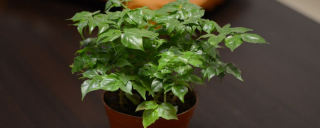
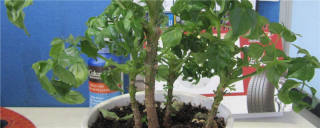
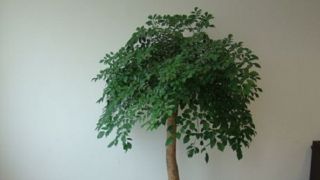
From our perspective as Emerald Trees (likely referring to the Emerald Green Arborvitae or a similar conical evergreen), the pot and soil you choose are not just containers; they are our entire world. Our roots are our lifeline, responsible for water uptake, nutrient absorption, and anchoring our sometimes considerable height. Therefore, the primary consideration must be balance. The pot must be large enough to accommodate our root ball and allow for future growth, providing stability so we do not topple over in the wind. Crucially, it must also have excellent drainage holes. Our roots are highly susceptible to suffocation and rot if left sitting in waterlogged soil. A pot that is too large, however, can hold excess moisture around the root zone, leading to the same problems. A good rule is to select a container that is 2 to 4 inches wider in diameter than our current root ball.
The material of the pot directly impacts the soil's moisture and temperature, which we feel acutely. Heavy, porous materials like terracotta or ceramic are beneficial for us. Their porosity allows the soil to "breathe," promoting air exchange to the roots and helping the soil dry out more evenly between waterings. This prevents the roots from becoming waterlogged. However, these pots can dry out faster in hot weather, meaning you must be vigilant with watering. Lightweight plastic or fiberglass pots retain moisture for longer, which can be an advantage in dry climates but a significant risk in humid or rainy conditions. Regardless of material, the absolute non-negotiable is drainage holes. Multiple, large holes at the bottom of the pot are essential to allow excess water to escape freely. A layer of coarse gravel or pot shards at the bottom is not a substitute for holes and can actually create a perched water table, worsening drainage.
We do not thrive in heavy, dense garden soil, which compacts in containers, strangles our roots, and prevents drainage. The ideal soil mix for us is loose, well-aerated, and slightly acidic to neutral in pH. Think of it as creating a fluffy, breathable bed for our roots to explore. A high-quality commercial potting mix formulated for trees or acid-loving plants is a good base. However, to optimize it for our needs, consider amending it. A perfect blend from our point of view would be:
• 60% Premium Potting Mix: This provides a base of organic matter and some nutrients.
• 20% Perlite or Coarse Sand: This ingredient is critical. It creates air pockets within the soil, ensuring oxygen reaches the roots and improving drainage dramatically.
• 20% Pine Bark Fines: These small chunks of bark further enhance aeration and drainage while slowly breaking down to provide a slight acidity that we appreciate.
This mix ensures that after watering, excess moisture drains away quickly, yet the organic components retain enough water and nutrients to keep us hydrated and fed.
As we grow, our root system will eventually fill the pot, a condition known as being "root-bound." You might notice our growth slowing, or roots circling the surface or emerging from the drainage holes. This is our signal that we need a new, larger home. Repotting us into a slightly larger container with fresh soil mix every few years is essential for our long-term health. It provides new nutrients and space for our roots to continue supporting our canopy. When repotting, gently loosen the outer roots to encourage them to grow outward into the new soil, rather than continuing in a circular pattern. This ongoing care, starting with the right pot and soil, forms the foundation of a healthy life for us in a container.