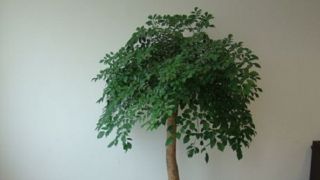
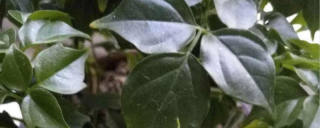
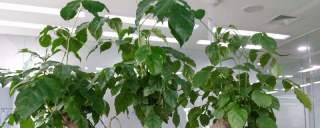
The plant commonly referred to as the "Emerald Tree" in the horticultural trade is scientifically known as Philodendron hederaceum, and it was previously classified as Philodendron scandens. It is crucial to distinguish this specific plant, as the common name "Emerald Tree" is sometimes informally applied to other, non-toxic plants. The Emerald Tree is a popular houseplant prized for its heart-shaped, glossy green leaves and its vigorous, vining growth habit. It is often found in hanging baskets or trained to climb a moss pole. Correct identification is the first step in assessing its potential danger, as its toxicity is well-documented.
The primary toxic principle in the Emerald Tree (Philodendron hederaceum) is the presence of insoluble calcium oxalate crystals, which are microscopic, needle-like structures contained within specialized cells called idioblasts found throughout the plant's tissue, including the leaves and stems. These crystals are a natural defense mechanism for the plant against herbivores. When an animal chews on or bites into any part of the plant, these idioblasts rupture, releasing the sharp crystals. The crystals physically penetrate the soft tissues of the mouth, tongue, throat, and gastrointestinal tract, causing immediate and intense mechanical irritation.
The reaction to ingestion is typically rapid, occurring within minutes of the plant material being chewed. The clinical signs are primarily due to the intense pain and irritation caused by the calcium oxalate crystals. Common symptoms observed in both cats and dogs include intense oral pain, manifested as pawing at the mouth, drooling excessively (hypersalivation), foaming at the mouth, and vocalizing in distress. Swelling of the lips, tongue, and oral mucosa is also common. In some cases, if a significant amount of plant material is ingested, the animal may experience difficulty swallowing, vomiting, and a decreased appetite. It is important to note that while the symptoms are acute and painful, severe, life-threatening complications are rare unless the swelling is so significant that it obstructs the airway.
Unlike some other toxic plants that contain alkaloids or glycosides which are absorbed into the bloodstream and cause systemic organ damage (e.g., lilies in cats), the primary mechanism of Philodendron toxicity is local and mechanical. The insoluble calcium oxalate crystals are not effectively absorbed by the gastrointestinal tract. Therefore, the damage is largely confined to the areas of direct contact. However, the intense pain and inflammation can be severe enough to cause secondary effects, such as anorexia from reluctance to eat or drink. Some sources also suggest that the plant may contain protein-based irritants that exacerbate the inflammatory response, but the calcium oxalate crystals are the primary culprit.
If ingestion is suspected, the first step is to safely remove any plant material from the animal's mouth. Rinsing the mouth gently with water or offering a small amount of milk or yogurt can help soothe the irritated tissues and wash away some of the crystals. It is critical to contact a veterinarian immediately for guidance. While the condition is rarely fatal, a veterinary professional can provide supportive care to manage pain and inflammation, such as administering analgesics or gastrointestinal protectants. They will also monitor for any signs of airway obstruction due to swelling. Bringing a photo or a sample of the plant to the veterinarian can aid in swift and accurate identification.