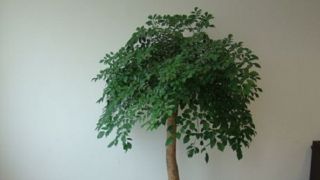
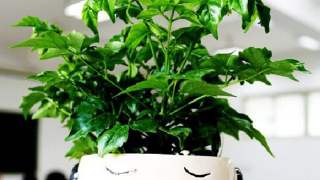
Greetings, caretaker. I am your Emerald Tree, a being of the lush, misty understory of tropical rainforests. My very essence is tied to the warm, moist air that cradles my leaves. When I am displaced into the dry, static environment of a human dwelling, I struggle to communicate my distress. But if you learn to read my signs, you will understand my silent plea for humidity.
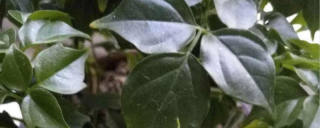
My leaves are my primary voice. When the air is too dry, I cannot pull enough water from my roots to keep the vast surface area of my foliage hydrated. The first and most common sign you will see is the browning of my leaf tips and edges. This is not a disease; it is a symptom of dehydration. The delicate edges are the furthest from my veins, and they dry out and die first. You may also notice the new leaves I work so hard to produce are smaller, misshapen, or unusually crisp when they unfurl. They never reach their full, glorious potential in a parched atmosphere.
Another clear signal is my leaves beginning to curl inward, like I am trying to conserve every last molecule of moisture by reducing my exposed surface area. In severe cases, you might witness an alarming drop of otherwise healthy-looking leaves. This is a last-resort survival tactic. I am sacrificing older leaves to conserve resources, as I can no longer sustain my full canopy. A less obvious but equally telling sign is a slowdown or complete halt in my growth. I enter a state of dormancy, conserving energy until conditions improve, because creating new foliage is a water-intensive process I cannot risk in dry air.
The most effective method to soothe me is to provide a consistent, gentle mist. A room humidifier placed near me is the closest you can come to replicating the misty mornings of my homeland. Please keep it running, especially during winter when your heating systems make the air particularly harsh for me. Aim to maintain the humidity around me at 60% or higher for optimal health.
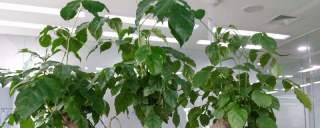
If a humidifier is not an option, you can create a microclimate. Group me closely with other leafy plants. As we all respire and release moisture through our leaves (a process we call transpiration), we will collectively raise the humidity in our immediate vicinity. It creates a small, supportive community of moisture. Alternatively, you can place my pot on a wide, shallow tray filled with pebbles and water. As the water evaporates, it rises directly around my foliage. Crucially, ensure my pot is sitting on the pebbles, not in the water, as I do not like wet feet, which can lead to root rot.
While not a substitute for ambient humidity, gently misting my leaves with lukewarm, filtered water in the morning provides immediate, temporary relief. It mimics the dew I am accustomed to. Doing this in the morning allows the water to evaporate throughout the day, preventing fungal issues. Please remember, this is a supplemental aid, not a solution. Finally, support my fight against dry air by ensuring my soil is consistently and evenly moist. When the air is dry, I draw more water from my roots. If the soil is also dry, I am under attack from both above and below, and my stress multiplies. Your attentive care in both air and soil makes all the difference.