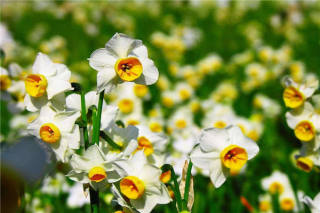
From my perspective as a Narcissus bulb, blooming is an incredibly energy-intensive process. The beautiful flowers and sturdy stalk you admire each spring are produced using stored energy from the previous year. Think of me as a biological battery. The green leaves that appear after flowering are my solar panels; they absorb sunlight and convert it into carbohydrates through photosynthesis. This energy is then transported down to my bulb, where it is stored to fuel next year's growth and flower production. If you cut my leaves off too early, you are essentially unplugging my charging cable before the battery is full. A bulb with depleted energy reserves may survive but will likely only produce leaves the following year, with no bloom in sight.
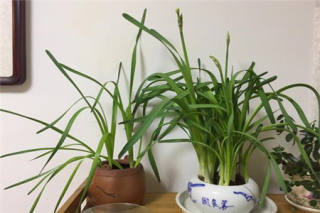
The most important time for ensuring my future bloom is the period after my flowers have faded. Please, do not be tempted to tie my leaves in knots or cut them back. This severely limits my ability to photosynthesize. Instead, continue to water me regularly and place me in a bright, sunny location. You should only remove the spent flower stalk itself, preventing me from wasting energy on producing seeds. This post-bloom care should continue for at least 6 to 8 weeks. You will know the process is complete when my leaves begin to turn yellow and wither naturally. This is the signal that I have absorbed all the energy I can and am entering my dormant phase.
Once my leaves have turned yellow and died back, I am ready for my essential rest period, or dormancy. This is a natural part of my cycle, similar to a bear hibernating for the winter. Forced growth indoors can be confusing for my internal clock, so I need a clear signal that it's time to rest. At this stage, you can stop watering me completely. If I was growing in a pot, you should carefully lift my bulb from the soil. Gently brush off any loose soil and remove the dead, dried foliage. Please, let me dry out in a cool, dark, and well-ventilated place for a few days. This curing process helps to prevent rot during storage.
After drying, I need a period of cold storage to simulate winter. This chilling period is crucial for initiating the biochemical processes that lead to flower formation for the next season. Place my dry, cured bulb in a mesh bag, a paper bag, or a box filled with slightly moist peat moss or vermiculite. The ideal storage location is a cool, dark place with good air circulation, such as a garage or a refrigerator (but away from fruits, which emit ethylene gas that can damage my flower bud). I typically need a chilling period of 12 to 16 weeks at a consistent temperature between 35°F and 48°F (2°C and 9°C). This cold treatment is non-negotiable for a reliable re-bloom.
After my chilling requirement has been met, I am ready to be awakened. You can replant me either in the garden or in a pot with fresh, well-draining soil, typically in the autumn. Choose a sunny spot and plant me at a depth about two to three times my own height. When you water me after planting, it signals the end of my dormancy. Roots will begin to grow, and in time, a new shoot will emerge, starting the cycle anew. With a full battery of stored energy and a proper winter's rest, I will be ready to reward your care with a beautiful display of blooms once again.