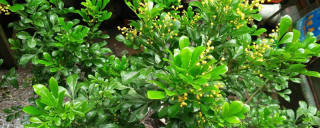
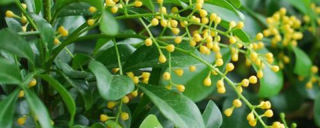
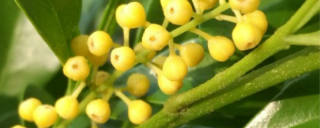
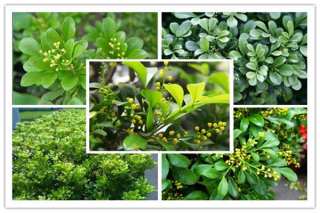
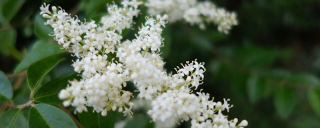
Aglaia odorata, commonly known as the Chinese Perfume Plant, is a prized ornamental shrub beloved for its tiny, fragrant yellow flowers that perfume the air. To thrive, especially in the varied climates of the United States, it requires specific temperature and humidity conditions that mimic its native subtropical Southeast Asian habitat. Understanding these needs from the plant's physiological perspective is key to successful cultivation, whether outdoors in warm regions or indoors as a container plant.
For Aglaia odorata, temperature is a primary regulator of its metabolic processes, including photosynthesis, respiration, and flower initiation. The ideal temperature range for this plant is between 65°F and 85°F (18°C to 29°C). Within this bracket, the plant's enzymes function optimally, allowing for efficient energy production and growth. When temperatures consistently remain above 85°F (29°C), the plant experiences heat stress. This can lead to increased transpiration (water loss), potential root damage if soil dries out too quickly, and scorching of the leaves, which appears as brown, crispy edges. More critically, prolonged exposure to temperatures below 50°F (10°C) is dangerous. Cold temperatures slow metabolic activity to a near halt, damage cell membranes, and can cause leaf drop. A hard frost, with temperatures dipping below 32°F (0°C), is often fatal to the above-ground parts of the plant and can kill the entire root system. In most of the US, Aglaia odorata is only reliably hardy outdoors in USDA Plant Hardiness Zones 10-11. In cooler zones, it must be grown in a container and brought indoors before the first frost.
Humidity, the amount of water vapor in the air, directly impacts the plant's transpiration rate—the process of water movement through the plant and its evaporation from leaves. Aglaia odorata prefers moderate to high humidity levels, ideally between 50% and 70%. In this humid environment, the gradient for water loss between the leaf's interior and the surrounding air is less steep. This allows the plant to maintain adequate hydration without its roots having to work excessively hard to uptake water. It keeps the foliage turgid and healthy. When indoor air, particularly during winter when heating systems are running, drops to 30% humidity or lower, the plant loses water rapidly through its stomata. The roots cannot absorb water from the soil fast enough to compensate, leading to physiological drought. The most common symptom is browning and crisping of leaf tips and margins. Conversely, while the plant enjoys humidity, excessively high levels (consistently above 80% without good air circulation) can encourage fungal diseases like powdery mildew or leaf spot.
Managing these conditions depends heavily on your location. In the warm, humid Southeast (e.g., Florida, coastal Georgia), Aglaia odorata can thrive outdoors year-round, though it appreciates afternoon shade to mitigate the peak summer heat. In the arid Southwest (e.g., Arizona, Southern California), the plant can be grown outdoors but requires careful placement in partial shade and regular misting or a nearby water feature to increase local humidity. Protection from hot, drying winds is essential. For the vast majority of the US where winters are cold, container gardening is necessary. During the summer, the plant can enjoy the outdoors. Once brought inside for winter, place it in a bright location away from heat vents and cold drafts. To combat low indoor humidity, employ a room humidifier, place the plant's pot on a pebble tray filled with water (ensuring the pot sits above the waterline), or group it with other plants to create a microclimate.
It is crucial to understand that temperature and humidity are intrinsically linked. Warmer air can hold more moisture. A problem often arises indoors when warm temperatures coincide with low humidity. For example, a room at 75°F with 25% humidity is far more stressful for the plant than a cooler room at 65°F with the same 25% humidity because the potential for water loss is greater in the warmer air. Therefore, the goal is to maintain a balanced environment. If you cannot lower the temperature, increasing the humidity becomes even more critical to slow transpiration and prevent dehydration stress. Monitoring both factors with a simple digital hygrometer is the most effective way to understand and manage your Aglaia odorata's environment.