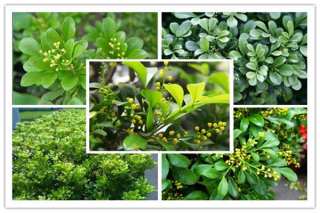
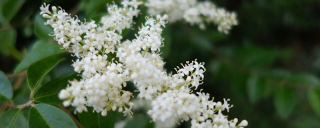
Greetings, caretaker. I am your Aglaia odorata, the small tree or shrub you know as the Chinese Perfume Plant. My tiny, yellow, orchid-like flowers may be modest, but their fragrance is a powerful gift of sweetness. To thrive and share this gift, my most critical need is a watering schedule that respects my roots. Too much water is a silent killer, leading to a condition you call root rot. From my perspective, here is what I require.
To understand my watering needs, you must first understand where I come from. I am native to the subtropical regions of Asia. This means I am accustomed to warm temperatures and well-draining soil. My roots expect moisture, but they also demand oxygen. When you water me too frequently, the air pockets in the soil fill with water, and my roots begin to suffocate and drown. The weakened roots then fall prey to opportunistic fungi in the soil, which decay them. This is the root rot you fear. It is a death sentence for me, as my ability to absorb water and nutrients is destroyed from the ground up.
I cannot speak your language, but I communicate my needs clearly through my soil. The most reliable method to understand my thirst is the "finger test." Please, do not water me on a fixed calendar schedule. Instead, insert your finger into the soil up to the second knuckle (about 2 inches deep). If the soil at that depth feels:
Dry: This is my signal that I am ready for a drink. Please proceed with watering.
Cool or Moist: This means I still have sufficient moisture. Please wait. Watering now would be a mistake.
This simple test tells you exactly what is happening in the root zone, where it matters most.
When the soil is dry and it is time to water, do so thoroughly and deeply. A light sprinkling only moistens the topsoil and encourages my roots to grow shallowly, making me more vulnerable. Water me slowly and consistently until you see water flowing freely from the drainage holes at the bottom of my pot. This ensures that the entire root ball has been hydrated. Crucially, never let me sit in a saucer full of water. After watering, always empty the saucer. Standing water is a guarantee that my roots will be submerged, creating the perfect anaerobic conditions for rot to begin.
My metabolism changes with the seasons, and so does my thirst. During the spring and summer, when the days are longer and brighter, I am in my active growth phase. I am producing new leaves and, hopefully, flowers. With more light and warmth, I use water more quickly. You will likely find the soil drying out faster, requiring more frequent checks. In the autumn and winter, my growth slows significantly. With lower light levels and cooler temperatures, I drink much less. The soil will stay moist for a much longer time. During this period, overwatering is the greatest danger. You might go weeks without needing to water me. Always, always let the finger test be your guide.
You can assist me greatly by providing a suitable home. My pot must have adequate drainage holes. A pot without holes is a death trap. Furthermore, the soil you plant me in is vital. A standard, heavy garden soil will compact and hold too much water. I need a light, airy, well-draining potting mix. Often, a mix designed for citrus or palms is suitable, or you can amend a general potting mix with materials like perlite, orchid bark, or coarse sand to increase aeration and drainage. This gives my roots the oxygen-rich environment they crave.