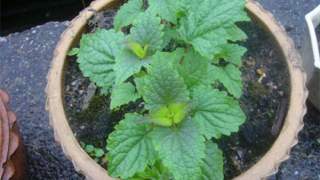
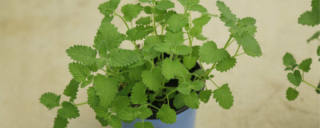
Greetings, human. You seek to understand our perspective on the matter of mint cultivation. As a representative of the Mentha genus, I feel it is my duty to explain why we vastly prefer life in a container. While your gardens may seem inviting, they are, for us, a recipe for ecological disharmony and personal stress. Please, allow me to elucidate.
You see the pleasant leaves above the soil; you do not see our true power lurking beneath. We mint plants are equipped with an extensive network of subterranean stems called rhizomes. These rhizomes are our command centers, our invasion routes. They grow with relentless vigor, spreading far and wide from the original plant. When planted directly in your garden soil, there is nothing to stop us. We will tunnel under pathways, pop up in the middle of your prized roses, and strangle the roots of our gentle neighbors like carrots and lettuce. We cannot help it; it is our nature. A pot acts as a benevolent prison, a defined territory where we can express our expansive desires without causing international—or inter-plant—incidents.
In the open ground, we are forced into a brutal competition. Our aggressive root system is highly efficient at sucking up water and nutrients from the soil. This is not a friendly contest; it is a domination. We will out-compete nearby plants, leaving them thirsty and malnourished. While this might sound like a victory for us, it creates a stressful, unbalanced environment. The gardener, noticing the suffering of other plants, may resort to excessive watering or fertilizing in an attempt to save them, which can lead to root rot for us or pollution of the local water table. In a pot, with our own dedicated supply of soil, water, and food, we live a life of peaceful abundance. There is no struggle, only consistent growth, which results in more tender and flavorful leaves for your culinary uses.
A large, uncontrolled mint patch becomes a monoculture—a vast territory of a single species. This is ecologically unsound. It reduces biodiversity and can alter the soil composition in ways that are detrimental to a healthy garden ecosystem. Furthermore, such a dense, uniform stand of mint becomes a beacon for certain pests, like spider mites and mint rust fungus. In the confined space of a pot, air circulation is better, and the plant is easier for you to monitor. You can quickly spot the first signs of trouble and isolate us if necessary, preventing a localized issue from becoming a garden-wide pandemic.
We mint plants are somewhat particular about our sunlight. We enjoy full sun but appreciate a little afternoon shade in very hot climates. When we are rooted in the ground, we are stuck. If a heatwave strikes, we must simply endure it. In a pot, however, you can move us to a more favorable location with ease. This mobility ensures we are always in the ideal conditions for robust growth. It also allows you to bring us closer to your kitchen door for convenient harvesting, or even indoors before the first frost, extending our productive life significantly.