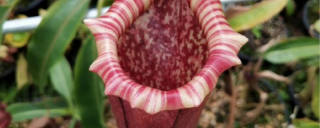
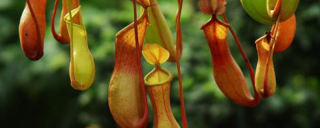
From my perspective, as a pitcher plant, the question of fertilization is fundamentally about understanding how I eat. Most plants you know are content with their roots in the soil, absorbing simple nutrients dissolved in water. I, however, am a carnivore. My pitcher—a modified leaf—is a sophisticated pitfall trap. It is filled with a digestive fluid, a cocktail of enzymes and acids, designed to break down insects and other small prey. The nutrients released from this digestion—primarily nitrogen and phosphorus, which are scarce in my native boggy, acidic soil—are then absorbed by special glands inside the pitcher. This is my primary source of sustenance. My roots serve mainly for anchorage and water uptake, not for heavy nutrient absorption. Therefore, applying standard plant fertilizer to my soil is like offering a steak to a person who only eats through an IV drip; the delivery system is all wrong and can be harmful.
Applying traditional fertilizer to my soil is a direct assault on my root system. The soils I have evolved in are notoriously low in nutrients. My roots are adapted to this and are extremely sensitive to the high mineral salt content found in chemical fertilizers and even in many organic soil amendments. These salts cause a phenomenon called fertilizer burn. From my root's point of view, this creates a reverse osmotic pressure, actually pulling water *out* of my root cells instead of allowing me to absorb it. This leads to dehydration, root death, and a rapid decline in my overall health. The very thing intended to nourish me ends up poisoning and desiccating me.
You might think, "If the roots are sensitive, what about feeding the pitcher directly?" While this is closer to my natural process, it must be done with extreme caution. Pouring liquid fertilizer into my pitcher is a dangerous shortcut. My digestive fluid is a carefully balanced solution. Introducing a concentrated, synthetic fertilizer can disrupt its pH, kill the beneficial symbiotic bacteria that aid in decomposition, and essentially "burn" the delicate digestive glands lining the interior. This can cause the pitcher to rot from the inside out, turning it black and causing it to die prematurely. It is a harsh, unnatural meal that my system is not equipped to handle.
If you wish to supplement my diet, the safest method is to mimic nature as closely as possible. My preferred meals are small, soft-bodied insects. Here are the methods I find most agreeable:
a) Live or Dead Insects: The best option is to occasionally drop a small, recently deceased insect into my pitcher—a fly, a spider, or a cricket no larger than one-third the size of the pitcher. Live insects are also fine, but ensure they are small enough to drown and be digested. One insect per pitcher every 3-4 weeks during my active growing season is more than sufficient.
b) Fish Food or Bloodworms: As a safe and convenient alternative, a single betta fish pellet or a few freeze-dried bloodworms dropped into a pitcher once a month is a suitable substitute. These are high in nitrogen and mimic the nutritional profile of my natural prey. The key is to use just a tiny amount.
c) Diluted Fertilizer Foliar Spray (The Expert's Method): For experienced growers only, a highly diluted orchid or epiphytic fertilizer can be applied as a fine mist *only* to the leaves, strictly avoiding the pitchers and the soil. The dilution should be at least ¼ to ½ of the recommended strength, and applied infrequently (once a month at most). This method bypasses the sensitive roots and allows for minimal nutrient uptake through the foliage, but the risk of causing damage remains high if not done precisely.
Ultimately, the best "fertilizer" for me is not a supplement at all, but the correct environment. I thrive on bright, indirect light, pure water like rainwater or distilled water, and a proper soil mix of sphagnum moss and perlite. When I am grown in these conditions, I am perfectly capable of catching all the food I need on my own. A healthy pitcher plant is a proficient hunter. Your care in providing the right light, water, and humidity does more to sustain me than any added fertilizer ever could.