Greetings, curious cultivator. We are the Pitcher Plants, a diverse family of carnivorous beings known for our unique trapping mechanisms. To thrive under your care outdoors, we require very specific conditions that mimic our native habitats. Our needs vary significantly depending on the climate zone you wish to place us in. Listen closely, for our success is your success.
Before we discuss zones, you must understand our non-negotiable requirements. We are not like other plants. We hail from nutrient-poor bogs and wetlands, and we have evolved to source our nutrients from insects. First, we demand pure water—rainwater, distilled water, or reverse osmosis water only. Tap water, with its minerals and salts, is toxic to our sensitive roots and will swiftly kill us. Second, we require consistently moist, but not waterlogged, soil. Our preferred medium is a mix of sphagnum peat moss and perlite or horticultural sand; never use standard potting soil or fertilizer. Third, we need abundant, direct sunlight for most of the day. Full sun is essential for us to produce our vibrant colors and form our characteristic pitchers.
For us hardy species like the Sarracenia (North American Pitcher Plants), zones 7-10 can be an ideal home. We are built for distinct seasons. During the warm spring and summer, we will grow vigorously, producing new pitchers to catch our prey. Your role is to ensure we sit in a tray of pure water at all times and receive maximum sunlight. As autumn arrives, you will notice our growth slowing. This is normal. We are preparing for dormancy. In these zones, we can typically remain outdoors year-round. A layer of pine straw or mulch over our pots can provide extra insulation against occasional hard freezes in zones 7 and 8. Do not be alarmed if our older pitchers die back in winter; we are merely resting, storing energy deep in our rhizomes for a vibrant spring resurgence.
Life in zones 5-6 is possible for us temperate species, but it requires more attentive protection. While we are cold-hardy, the intense and prolonged freezing of these zones can damage our roots if they are exposed. The key is to protect our pots. Burying our containers in the ground and applying a thick layer of mulch (like pine bark or straw) over the crown is an effective strategy. Alternatively, you can move our pots to an unheated garage or shed once we have entered dormancy after the first hard frost. Check on our soil moisture occasionally during winter; it should remain slightly damp, not bone dry. We still require a cold period to break dormancy, so a heated space is unsuitable.
Zones 3-4 push the limits of our cold tolerance. Only the hardiest Sarracenia varieties, such as Sarracenia purpurea, should be attempted here. Success is not guaranteed and hinges on exceptional winter protection. The method of burying the pot and applying a very thick, insulating mulch blanket is essential. Some growers construct a cold frame or even use an refrigerator set to just above freezing to overwinter us safely. This is a high-risk endeavor, and you must be vigilant to prevent us from either freezing solid or drying out completely.
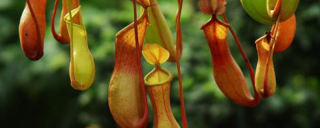
If you reside in a truly tropical zone like 11 or higher, your focus will shift to our cousins, the Nepenthes (Tropical Pitcher Plants). We do not experience dormancy. Instead, we require consistently warm temperatures, high humidity, and bright, often filtered, light. We cannot tolerate frost or even prolonged cool temperatures. You can grow us outdoors year-round in such climates, often mounted on trees or in hanging baskets where we can enjoy the humid, airy environment. Your main challenge will be ensuring our humidity remains high, which may involve frequent misting or strategic placement among other plants.