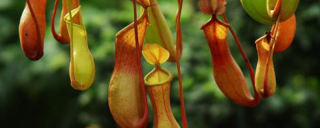
As a pitcher plant, light is not merely a preference; it is the very currency of my existence. It fuels the processes that allow me to grow, produce my intricate traps, and thrive in environments that other plants find challenging. Understanding my ideal light requirements is fundamental to a successful partnership with you. From my perspective, here is a detailed breakdown of what I need.
My relationship with light is built on two key principles: spectrum and intensity. I require a full spectrum of light, much like the natural sunlight I evolved under. This means I need both the blue wavelengths, which are crucial for strong, healthy leaf and pitcher development, and the red wavelengths, which drive flowering and overall growth. More importantly, I am a high-light plant. In my native habitats—bogs, heaths, and tropical forests—I am accustomed to basking in several hours of direct sunlight each day. Insufficient light is the primary reason I become weak, with small, green, non-pitchered leaves, as I simply lack the energy to produce my complex traps.
For optimal health, I need a long photoperiod, typically between 12 to 14 hours of light daily. This mimics the long days of my growing season. The question of direct sunlight, however, depends on my species. Highland species like Nepenthes villosa often enjoy direct morning sun but may appreciate some dappled shade during the most intense afternoon hours to prevent overheating. Lowland species and many North American pitcher plants (Sarracenia) are sun worshippers and can handle, and indeed demand, as much direct sunlight as you can provide—think 6 or more hours. A south-facing window is often ideal for indoor life. If my leaves or pitchers start to develop a red or purple tint, this is usually a good sign! It is my version of a suntan, indicating that I am receiving ample light and producing protective pigments.
When light levels are too low, my survival instincts kick in, but not in a way that is beneficial for either of us. I will become etiolated—stretching out with long, weak stems and small, widely spaced leaves in a desperate search for a light source. The most telling sign of light starvation is the failure to produce pitchers, or the production of tiny, underdeveloped ones. Creating a pitcher is an enormous energy investment. Without sufficient light to power photosynthesis, I simply cannot afford it. I will prioritize basic leaf growth over trap formation, losing the very characteristic that makes me unique.
If you cannot provide a sufficiently sunny windowsill, do not despair. You can become my sun god with artificial lighting. The key is to choose the right type of bulb. Standard incandescent bulbs are useless to me; they produce the wrong spectrum and too much heat. I thrive under full-spectrum fluorescent tubes (like T5 HO) or, even better, modern LED grow lights. These are energy-efficient and can be tuned to provide the ideal spectrum I crave. The light should be positioned close to me, typically 6 to 12 inches above my leaves, and kept on for the recommended 12-14 hours using a timer to ensure consistency.
It is important to remember that light, heat, and humidity are interconnected. Intense light, whether natural or artificial, will increase the temperature around me and can accelerate evaporation from my soil and pitchers. For species requiring high humidity, this means you must be vigilant. A sunny windowsill might require more frequent watering or the use of a humidity tray to prevent my pitchers from drying out. The goal is to provide high light without creating a desert-like environment. Observing my response is the best guide; vibrant coloration and steady pitcher production mean you have found the perfect balance.