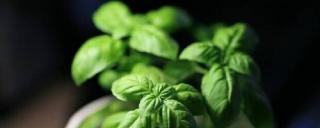
From a plant's perspective, temperature is not merely an environmental condition but a fundamental regulator of physiological processes. Basil, as a tender annual herb, relies on enzymatic activity for every aspect of its life, from photosynthesis to nutrient uptake. Enzymes are protein-based catalysts that operate within a specific temperature window. When temperatures are too low, these molecules move sluggishly, resulting in dramatically slowed metabolism and stunted growth. Conversely, when temperatures are too high, the enzymes begin to denature—losing their shape and function—which is equally detrimental. Therefore, the ideal temperature range for basil is the sweet spot where these biochemical reactions proceed at their optimal rate, ensuring vigorous and healthy development.
For a basil plant, the primary goal is to produce an abundance of lush, aromatic leaves. This vegetative growth phase is most efficient within a daytime temperature range of 70°F to 90°F (21°C to 32°C). Within this range, the rate of photosynthesis is maximized. The stomata, tiny pores on the leaf surfaces, remain open to freely take in carbon dioxide without risking excessive water loss. Warmth also encourages the production of essential oils, such as eugenol, which give basil its characteristic scent and flavor. From the plant's viewpoint, this is the condition for thriving, allowing for rapid cell division and elongation, resulting in full, bushy plants with tender, flavorful leaves rather than tough, woody stems.
The plant's experience does not end when the sun goes down. Nighttime temperatures are crucial for respiration and recovery. The ideal range dips slightly to between 60°F and 70°F (15°C to 21°C). This cooler period allows the plant to slow its respiratory rate. Respiration is the process of breaking down sugars for energy, and if nighttime temperatures are too high, the plant burns through the sugars produced during the day too quickly, leaving less energy for growth. A proper day-night temperature differential is like a efficient work-rest cycle for the plant: it photosynthesizes vigorously during the warm day and conserves energy during the cool night, leading to net biomass accumulation.
Experiencing temperatures outside the ideal range is a significant stress event for a basil plant. When the thermometer drops below 50°F (10°C), the plant goes into a state of shock. Cold soil hinders the roots' ability to absorb water and nutrients, leading to symptoms of wilting and yellowing leaves, even if the soil is moist. More critically, exposure to any frost is fatal, as ice crystals form within the plant's cells, causing irreversible damage and cell death. On the opposite extreme, prolonged exposure to temperatures consistently above 95°F (35°C) induces heat stress. The plant will close its stomata to conserve water, but this also halts the intake of CO2, effectively shutting down photosynthesis. The leaves may become scorched, wilt permanently, and the plant will often bolt—flowering prematurely in a desperate attempt to produce seeds before it succumbs.
The basil plant's journey begins underground, where soil temperature is paramount. For a basil seed to germinate, the soil must be sufficiently warm, ideally between 70°F and 85°F (21°C to 29°C). In cold soil, the seed will remain dormant, vulnerable to rot. Once established, the root system continues to require warmth. Cool soil slows microbial activity, reducing the availability of nutrients, and chills the roots, impairing their function. This underground chill translates directly to stalled growth above ground. Warm soil, within the plant's preferred range, ensures active roots that can effectively support the demands of the shoots, creating a harmonious and healthy whole plant.