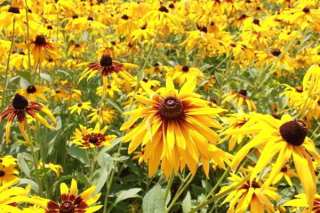
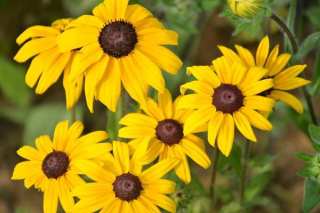
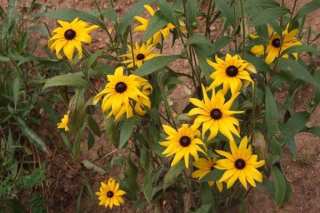
Coreopsis, commonly known as tickseed, is a genus of flowering plants belonging to the Asteraceae family, which also includes daisies, sunflowers, and chrysanthemums. This genus encompasses over 80 species, both annuals and perennials, prized by gardeners for their bright, cheerful, daisy-like flowers that typically bloom in shades of yellow, orange, red, and pink. Popular species found in gardens include Coreopsis grandiflora, Coreopsis lanceolata, and Coreopsis verticillata. From a botanical perspective, understanding its family is the first step in assessing its potential toxicity, as certain plant families are known to contain compounds that can be harmful to pets.
When evaluating the safety of a plant for dogs and cats, the primary concern is the presence of specific toxic compounds such as alkaloids, glycosides, saponins, or essential oils that can cause adverse reactions. According to major animal poison control centers, including the ASPCA (American Society for the Prevention of Cruelty to Animals), Coreopsis is listed on their non-toxic plant list. This classification indicates that the plant is not known to contain any significant levels of principles that are poisonous to dogs, cats, or horses. While the Asteraceae family does contain some genera with irritating properties (e.g., causing contact dermatitis), Coreopsis itself is not associated with systemic toxicity.
Although Coreopsis is not systemically toxic, it is important to consider potential physical irritation. The plant's foliage and stems are not particularly sharp or spiny, but ingestion of any plant material can pose a mild risk. The fibrous nature of the plant can cause minor mechanical irritation to a pet's gastrointestinal tract. This might result in mild symptoms such as drooling, vomiting, or diarrhea if a dog or cat consumes a large amount of the plant. These symptoms are typically transient and are not a sign of poisoning but rather the stomach's reaction to an unusual, non-digestible substance. This is a common reaction to the ingestion of many non-toxic plants.
Even with its non-toxic status, responsible pet owners should practice caution. Individual animals can have unique sensitivities or allergies, much like humans. A plant that is generally safe for most pets might cause an unexpected reaction in a specific individual. Furthermore, the fertilizers, pesticides, or herbicides applied to garden plants can be harmful to pets. Therefore, even if a Coreopsis plant itself is safe, the chemicals on it may not be. It is always advisable to discourage pets from chewing on any garden plants to prevent potential stomach upset and to ensure that any treatments used on the plants are pet-safe.