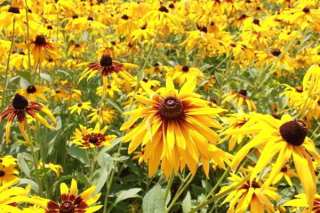
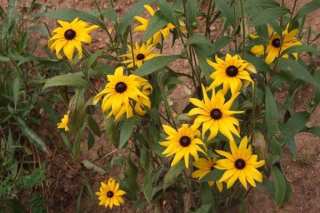
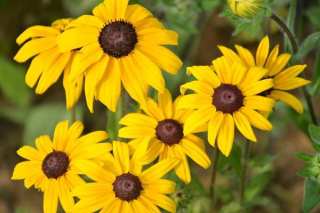
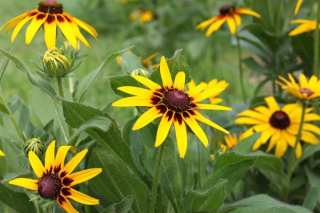
From a botanical perspective, Coreopsis, commonly known as tickseed, is fundamentally a sun-loving perennial. Its physiological processes are optimized for high light intensity. The plant's leaves are adapted for maximum photosynthesis in full sun conditions, efficiently converting sunlight, water, and carbon dioxide into the energy required for growth, flowering, and reproduction. When Coreopsis receives the recommended six or more hours of direct sunlight daily, it achieves its full potential: stems remain strong and upright, foliage is dense and healthy, and most importantly, flowering is prolific and continuous. This abundant energy production allows the plant to sustain its characteristic showy display of daisy-like flowers throughout the blooming season.
"Partial shade" typically means an area receives between three to six hours of direct sunlight, often in the milder morning hours, followed by dappled light or full shade for the remainder of the day. For a plant like Coreopsis, this reduction in light energy has direct physiological consequences. Photosynthesis operates at a reduced rate. The plant must prioritize the allocation of its limited energy resources. Instead of directing ample energy towards producing a massive flush of flowers, a primary goal for reproduction, the plant will focus more on basic survival and maintaining its vegetative structures—the leaves and stems. This shift in energy allocation is the root cause of the observable differences in growth and flowering.
The impact of lower light levels manifests in several distinct ways on the plant's morphology. First, and most notably, flowering will be significantly reduced. You will observe fewer flower buds, and the blooms that do appear may be smaller in size and less vibrant in color. The plant may also become leggy, a condition known as etiolation, where stems grow elongated and weak as they stretch towards the nearest light source. This can lead to floppy plants that require staking. Furthermore, the overall growth habit may become less compact and open, with thinner foliage. In such conditions, the plant is also more susceptible to fungal diseases like powdery mildew or leaf spot, as the lack of sun and potentially poorer air circulation keeps moisture on the leaves for longer periods.
While the general rule favors full sun, some Coreopsis species exhibit a degree of tolerance for partial shade, demonstrating an adaptive capability. For instance, Coreopsis rosea (Pink Coreopsis) is a species naturally found in moist, partly shaded meadows and may perform better than others in such conditions. However, "better" is relative; it will still not flower as heavily as it would in full sun. If you must plant Coreopsis in partial shade, your strategy should focus on maximizing the plant's chances. Prioritize morning sun over intense afternoon sun, as the latter can be harsh even for sun-lovers. Ensure the soil is exceptionally well-draining to compensate for potentially slower evaporation rates. Providing optimal conditions in other areas—such as proper spacing for air circulation and avoiding over-fertilization which promotes weak growth—can help mitigate some of the stresses associated with lower light.
Ultimately, the question of growing Coreopsis in partial shade is a question of energy economics from the plant's point of view. In full sun, the plant operates with an energy surplus, allowing for vigorous growth and spectacular flowering. In partial shade, it exists on an energy budget. It must carefully ration its photosynthetic output to maintain basic functions. While the plant may survive, it will not thrive in the way its genetic programming intends. It is living in a state of stress, constantly operating below its optimal capacity. For a gardener, this translates to a plant that is merely persisting rather than flourishing, a clear indication that the environment does not fully meet its biological needs.