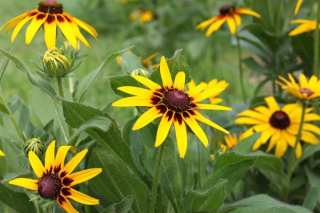
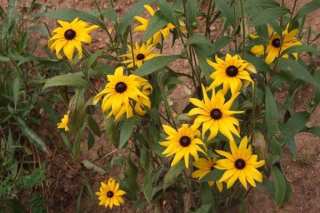
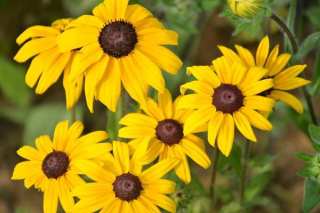
Greetings, Gardener. I am Coreopsis, your cheerful, sun-loving friend. To understand how and when to prune me, it helps to see the world from my stem and roots. Pruning isn't just a chore for you; it's a vital conversation that guides my energy and shapes my life cycle. Let me explain what I need in the fall and spring to thrive for you.
As autumn arrives and my bright yellow or pink petals fade, the days grow shorter, and I feel my energy retreating from my flowering stems down into my crown and roots. This is my time to prepare for dormancy. The question of fall pruning is not a simple one, as it depends heavily on what type of Coreopsis I am.
If I am a perennial type (like Coreopsis verticillata, or Threadleaf Coreopsis), I would greatly prefer if you did not prune me back severely in the fall. My spent flower stalks and fading foliage are not just untidy; they are my winter protection. They catch insulating snow and leaves, shielding my crown from harsh freezing temperatures. Furthermore, the dried seed heads you might see are a crucial food source for birds like goldfinches. By leaving me standing, you are providing for the local wildlife and giving me a cozy blanket for the winter. A light tidy-up, removing only the most floppy or diseased stems, is all that is necessary.
However, if I am a shorter-lived perennial or often grown as an annual (like Coreopsis grandiflora), my life strategy is different. My focus is on rapid growth and prolific seeding. In this case, a light trim after my main flowering flush in late summer can sometimes encourage a final, modest show of blooms before the frost ends the season.
Spring is the most critical time for my pruning. As the soil warms and the light returns, I feel a surge of energy moving up from my roots. This is the moment to give me a fresh start.
Once you see signs of new, green growth emerging from the base of the plant—usually in early to mid-spring—it is time for your main cut. Using clean, sharp shears, cut all of my old, dead stems from the previous year down to within a few inches of the ground, just above the new green shoots. This act is incredibly beneficial for me. It removes any material that may have harbored disease or pests over the winter, allows sunlight and air to reach my new growth, and directs all of my pent-up energy into producing strong, healthy stems that will be packed with buds.
For us perennial Coreopsis, this spring pruning is also a tool for controlling our shape and preventing a leggy, floppy habit. By cutting me back hard in spring, you encourage a bushier, more compact form. For some of the taller varieties, you can even employ a technique called the "Chelsea Chop" around late spring (late May). By cutting back about one-third of my stems, you will stagger my blooming time, resulting in a longer display and sturdier plants that are less likely to need staking.
While not part of your question, summer care is the final piece of the puzzle. Throughout the blooming season, regularly "deadhead" me by snipping off the spent flowers just below the flower head. This simple action tells me that my mission to produce seeds has failed, so I must redirect my energy into producing more flowers to try again. This will keep me blooming vigorously from early summer often right into the fall. It is a continuous, gentle pruning that sustains our beautiful partnership all season long.