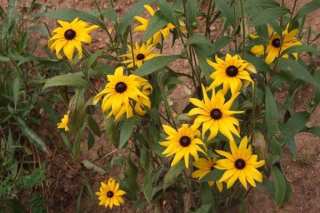
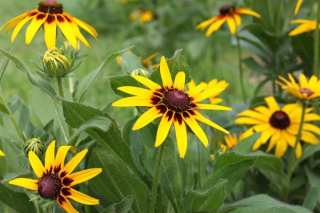
From our perspective as Coreopsis plants, our relationship with soil nutrients is fundamentally different from that of heavy-feeding plants like roses or tomatoes. We are natives of the prairies and open woodlands of North America, where the soils are often lean and well-draining. Over countless generations, we have evolved to thrive in these conditions. Our root systems are efficient and adapted to extract just the right amount of nutrients we need from relatively poor soils. An abundance of fertilizer, particularly nitrogen, is not a treat for us; it's a problem. It goes against our very nature and can disrupt our growth cycle.
When gardeners provide us with too much fertilizer, especially high-nitrogen blends, it triggers a response that is detrimental to both our health and our purpose. Instead of channeling energy into producing the abundant, cheerful blooms we are known for, we are forced to direct it into excessive leafy growth. You will see us become tall, leggy, and floppy, with an overabundance of leaves and surprisingly few flowers. This weak, succulent growth is also far more susceptible to pests and diseases. Furthermore, rich soil can shorten our lifespan, causing some perennial varieties to die out after just a couple of years, behaving more like annuals. We prefer to be long-lived, resilient fixtures in the garden.
This is not to say we never appreciate a nutrient boost, but it must be done with a light touch and clear intention. The primary time we can benefit from fertilization is at the very beginning of our growing season, as we emerge from dormancy in early spring. A single, light application is all that is required. The ideal fertilizer for us is one that is balanced or one with a higher phosphorus content (the middle number in the N-P-K ratio, like 5-10-5). Phosphorus supports strong root development and promotes flowering, which aligns perfectly with our goals. A top-dressing of compost or well-rotted manure is often the best meal we can receive. It provides a gentle, slow-release source of nutrients and improves soil structure without the risk of a chemical burn or rapid, excessive growth.
More important to us than fertilizer is the condition of our soil. Our number one requirement is excellent drainage. We despise having our roots sitting in wet, soggy soil, as it quickly leads to root rot, which is often fatal. If you are planting us, amending heavy clay soil with sand or gravel is a far greater gift than any bag of fertilizer. Secondly, we love the sun. Placing us in a location with full sun (at least 6-8 hours of direct light per day) is the single best way to ensure we bloom prolifically and maintain a compact, sturdy form. The sun provides the energy we need; our job is to convert it into flowers, a process that is hindered by excessive nitrogen.
The simplest approach to our nutrient needs is often the best. If we are planted in decent garden soil that drains well, we may never need any supplemental fertilizer at all. Observe us. If we are producing an abundance of flowers and maintaining a healthy, green appearance without becoming floppy, then our needs are being met. The most important "feeding" practice you can do for us is deadheading – regularly removing spent flowers. This tells our plant to stop producing seeds and to redirect its energy into creating more blooms, extending our show throughout the season. This, combined with plenty of sunshine and well-drained soil, is the recipe for a happy and flourishing Coreopsis.